




Novel zinc-doped Metal-Organic Framework based on MIL53(Fe) (Zn-MIL53(Fe)) has been successfully synthesised in one-step, exhibiting dual applications as adsorbent and catalyst. Initially, the adsorption capacity of MIL53(Fe) and Zn-MIL53(Fe) for removing Rhodamine B was assessed through kinetic and isotherm studies. The bimetallic variant exhibited superior performance, showcasing enhanced adsorption capabilities, particularly in the context of its physical interaction under natural pH. After that, the catalytic activity of both synthesised materials was evaluated to generate sulphate radicals by activating PeroxyMonoSulphate (PMS). It was also demonstrated that Zn-MIL53(Fe) exhibited the best catalytic activity being optimised using response surface methodology for Rhodamine B degradation (0.11 mM PMS and 43.2 mg Zn-MIL53(Fe)). Under optimal conditions, favourable outcomes were attained, facilitating the degradation of Rhodamine B, Fluoxetine, and Sulfamethoxazole by 93, 99, and 75 %, respectively. Furthermore, the operational stability of the Zn-MIL53(Fe) was verified, as it remains structurally and catalytically intact after different cycles.
Combining Carbon Capture and Storage (CCS) with producing competitive secondary raw materials is key to decarbonizing industry and reducing resource extraction. Biogas upgrading to biomethane stand out as an alternative, but a significant gap remains in integrating this process within a circular economy framework. This issue has been recently addressed by a process that integrates biogas upgrading via caustic absorption with the production of Precipitated Calcium Carbonate (PCC) and the recovery of sodium hydroxide from waste brine solution using membrane technologies. The profitability of this approach depends on the quality of the PCC, a critical factor that this work addresses. By characterizing PCC is determined whether trace compounds in biogas contaminate the PCC and potentially affect its commercial value. It also examines the CO2 absorption process and analyzes the aqueous samples from the filtration phase of the PCC slurry. Results confirm the high purity of PCC obtained from biogas treatment using Raman spectroscopy, X-Ray Diffraction (XRD), and Scanning Electron Microscopy (SEM). The analyses show that the PCC is pure calcium carbonate, mainly in the stable calcite form, with a typical tetrahedral morphology and no detectable impurities. Characterization of aqueous solutions revealed organic trace compounds from biogas, with TOC concentrations of 9.7 (+/- 6.4) and 16.0 (+/- 8) mg C/l. Silicon measurements showed similar concentrations in the absorbent solution and filtrated PCC slurry. Additionally, ammonia escapes as gas, and hydrogen sulfide in the biogas likely contributed to sulfate salt formation. Analysis of the COQ absorption shows a first-order reaction with OH-, where the amount of COQ absorbed (46.3-50.0 g) closely matches the theoretical value of 48 g. The study reveals that most of the biogas impurities dissolve into the aqueous solution, being crucial for future studies and downstream membrane treatments, and the PCC is unaffected by these impurities with a purity suitable for commercial applications.
Dry reforming of methane (DRM) represents an alluring approach to the direct conversion of CO2 and CH4, gases with the highest global warming potential, into syngas, a value-added intermediate used in chemical industry. In this study, mixed oxide structures of cerium and zirconium doped with 10 wt% Ni were used due to the high thermal stability. This study showcased the importance of choosing suitable conditions and explored the impact of calcination temperature on Ce-Zr mixed oxides with Ni. XRD analysis confirmed the existence of different crystalline phases according to the calcination temperature. Redox characterisation showed a trade-off among calcination temperature, the dispersion of Ni clusters and its interaction with the support structure. Calcined catalysts at 900 and 1000 degrees C underwent harsh, long-term DRM conditions. Despite the low surface area of the designed catalysts, the stability experiments proved a relation between dispersion of Ni active phase and catalytic performance, showing an optimum calcination temperature of 1000 degrees C.
Combinations of perovskite-type oxides with transition and precious metals exhibit remarkable regenerating properties that can be exploited for catalytic applications. The objective of the present work was to study the structural changes experienced by LaCo0.8Cu0.2O3 under reducing/oxidizing atmosphere (redox) and Preferential Oxidation of CO (PrOx, with high H2 concentration) conditions and their reversibility. LaCo0.8Cu0.2O3 was prepared by ultrasonic spray combustion and was characterized by X-ray diffraction (XRD) and X-ray absorption spectroscopy (XAS). Structural changes were followed by operando XRD and XAS. Metallic Co and Cu were segregated under both sets of reducing conditions and re-dissolved into the perovskite upon oxidation at 500 °C. Simultaneously, the perovskite-type oxide disappeared under reducing conditions and formed again upon high-temperature oxidation. The effects of this reversible reduction/dissolution of B-site metals on catalyst structure and activity were studied concerning the catalytic process of PrOx. The active phases of cobalt and copper oxides suffer a reduction during the PrOx reaction due to the high H2 concentration; thus, the application of an intermediate oxidation treatment can regenerate the catalytic system and the perovskite can be used for several cycles of reaction and regeneration. In contrast, when this intermediate oxidation treatment is not applied, the catalytic performance decreases in successive activity cycles.
In recent years, significant advancements have occurred in our comprehension of amber consumption patterns in the Iberian Peninsula. This progress stems from the increasing volume of FTIR data related to both archaeological and geological amber. Consequently, a chronological model has been established, delineating amber consumption in the Iberian Peninsula from the Late Paleolithic to the Iron Age. Broadly, local amber consumption has been minimal since the Paleolithic period. Sicilian amber makes its appearance in Iberia around the 5th millennium BCE and fades away in the 2nd millennium BCE, giving way to Baltic amber, which has remained the sole source since then. The well-defined chronological model, the abundance of FTIR provenance data, and the infrequent association of amber with absolute or relative dates prompt us to explore whether provenance can serve as a chrono-cultural proxy for amber beads. This study introduces new amber finds, presents fresh FTIR data on archaeological amber ornaments, and incorporates minor updates and bug fixes to the general catalog. It is the outcome of a thorough bibliographic review and on-site analysis and examination of the beads. The results obtained in this study enable the reconstruction of amber consumption throughout Iberian prehistory, drawing on 29 newly FTIR-analyzed ambers from 9 sites. Our findings expand the empirical foundation, facilitating the confirmation of diachronic changes in amber consumption. Importantly, they affirm that amber provenance can indeed be employed as a viable chrono-cultural proxy.
Intraband carrier relaxation in quantum dots (QDs) has been a subject of extensive spectroscopic investigation for several decades, and have been used to optimize the efficiency of opto-electronic processes. In the past few years, metal halide perovskites-based QDs have been shown to exhibit slow hot-carrier cooling characteristics that are desirable for photo-energy harvesting technologies. While several mechanisms are proposed to rationalize the retardation of the cooling dynamics, including hot-phonon bottleneck and polaronic effects, the role of inter-particle connectivity in these dynamics is largely ignored. Here, an in-depth study of photo-excitation dynamics and carrier cooling on perovskite QD solids with varying degrees of inter-dot coupling is presented. It is observed that inter-particle connectivity has deterministic effects on the many-body interactions that are relevant for carrier cooling. These include carrier-carrier interactions that result in Auger-reheating of the carriers, and lattice characteristics that subsequently affect the phonon-assisted cooling dynamics. This spectroscopic study of ultrafast carrier dynamics in perovskite QD solids establishes inter-dot separation as a critical material design parameter for the optimization of photo-generated carrier temperature, which fundamentally determines the luminescence characteristics and thus the opto-electronic quality of the material.
The photo-excitation dynamics and carrier cooling in metal halide perovskite quantum dot solids are investigated here. Evidence for the deterministic role of inter-particle connectivity on the many-body interactions relevant to carrier cooling is discussed. These include carrier-carrier interactions that result in Auger-reheating of the carriers, and lattice coupling that subsequently affects the phonon-assisted cooling dynamics. image
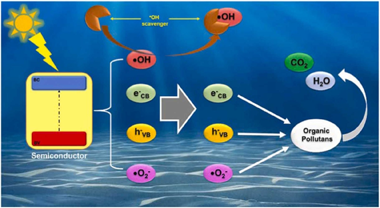
In heterogeneous photocatalysis, different reactive species generated from the excitation of the semiconductor are responsible for the degradation of different contaminants in aqueous solution. In order to evaluate the influence of each of these reactive species on the photocatalysis process, it is common to perform an analysis using different chemical compounds, which (in theory) react selectively with only one reactive species, preventing this species from participating in the process. Questioning this analysis is the aim of this work and the reasons that lead us to this will be described and discussed. For this, different investigations were selected where this analysis was carried out on two model substrates, Rhodamine B and Phenol. With this, it was possible to determine which compounds are most used as scavengers for the different reactive species, and how these compounds influence the photodegradation process. It was possible to shown that none of the commonly used scavengers react selectively with only one reactive species, since it can also influence other reactions, either by reacting with other reactive species, with the surface of the catalyst, or with the substrate under study, among others. In our opinion, the conclusions obtained by using scavenger analysis should be carefully considered, and the compounds used should be renamed as interfering species of the photocatalytic process.
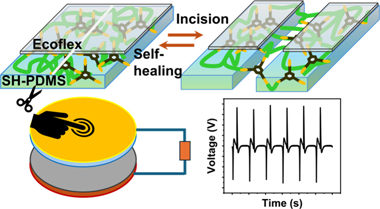
Triboelectric nanogenerators (TENGs) have emerged as potential energy sources, as they are capable of harvesting energy from low-frequency mechanical actions such as biological movements, moving parts of machines, mild wind, rain droplets, and others. However, periodic mechanical motion can have a detrimental effect on the triboelectric materials that constitute a TENG device. This study introduces a self-healable triboelectric layer consisting of an Ecoflex-coated self-healable polydimethylsiloxane (SH-PDMS) polymer that can autonomously repair mechanical injury at room temperature and regain its functionality. Different compositions of bis(3-aminopropyl)-terminated PDMS and 1,3,5-triformylbenzene were used to synthesize SH-PDMS films to determine the optimum healing time. The SH-PDMS films contain reversible imine bonds that break when the material is damaged and are subsequently restored by an autonomous healing process. However, the inherent stickiness of the SH-PDMS surface itself renders the material unsuitable for application in TENGs despite its attractive self-healing capability. We show that spin-coating a thin layer (approximate to 32 mu m) of Ecoflex on top of the SH-PDMS eliminates the stickiness issue while retaining the functionality of a triboelectric material. TENGs based on Ecoflex/SH-PDMS and nylon 6 films show excellent output and fatigue performance. Even after incisions were introduced at several locations in the Ecoflex/SH-PDMS film, the TENG spontaneously attained its original output performance after a period of 24 h of healing. This study presents a viable approach to enhancing the longevity of TENGs to harvest energy from continuous mechanical actions, paving the way for durable, self-healable mechanical energy harvesters.
Carbon is a critical material for existing and emerging energy applications and there is considerable global effort in generating sustainable carbons. A particularly promising area is iron-catalyzed graphitization, which is the conversion of organic matter to graphitic carbon nanostructures by an iron catalyst. In this paper, it is reported that iron-catalyzed graphitization occurs via a new type of mechanism that is called homogeneous solid-state catalysis. Dark field in situ transmission electron microscopy is used to demonstrate that crystalline iron nanoparticles “burrow” through amorphous carbon to generate multiwalled graphitic nanotubes. The process is remarkably fast, particularly given the solid phase of the catalyst, and in situ synchrotron X-ray diffraction is used to demonstrate that graphitization is complete within a few minutes.
The transformative power of CO2 methanation can efficiently transform greenhouse gases into high-value products, aligning with the carbon neutrality goals. However, achieving this target at low temperature requires cumbersome efforts in designing catalysts that possess high reactivity and selectivity. Focusing on understanding the pivotal role of alkaline (such as Ca) sites in catalyzing these reactions at lower temperature could be a way of strategically creating oxygen vacancies with varying activity gradients. Designing CaCe-SG via a sol-gel method in the current study to integrate Ca into the CeO2 lattice marked the highly active moderate-strength alkaline centers which resulted in the intrinsic activity soaring by an impressive 400% compared to the conventional Ni/CeO2 catalysts. Supported by H-2-TPD, Raman, and XPS analyses, a crucial revelation was unveiled where Ca modification induced a surge in the dispersion of active Ni species on Ni/CaCe-SG catalysts, thereby enhancing the abundant surface oxygen vacancies. In situ infrared spectroscopy further confirmed that the modified catalyst diligently followed the reaction pathway of CO3H* -> HCOO* -> CH4, culminating in the CO2 methanation activity with a low-temperature catalyst via the meticulous optimization of synthesis methods that propelled the process forward to the anticipated oxygen vacancy-induced moderate-strength alkaline centers.
Near-ambient pressure X-ray photoelectron spectroscopy (NAP-XPS) experiments have been carried out in N-2 and N-2-H2O atmospheres on a Pt-based catalyst physically mixed with an Eu-doped ZrO2 ionic conductor as a function of temperature under realistic conditions of the water gas shift (WGS) reaction. This work aims to demonstrate the significant effect of having active H2O on the ionic conductor surface at reaction temperatures to provide it to Pt metal sites. The ionic conductor, Eu-doped zirconia matrix, presents defects (oxygen vacancies, O-v) that allows upon H2O dissociation the formation of a hydrogen-bonded molecular water layer favoring diffusion through a Grotthuss mechanism below 300 degrees C. In the presence of H2O, the O-v are occupied by hydroxyl species as observed in the Eu 4d spectra, which differentiate two types of Eu oxidation states. The Eu3+-to-Eu2+ atomic ratio increases with the occupancy of the O-v by hydroxyls. Moreover, while the Pt-based catalyst alone is unable to create Pt-OH bonds, the physical mixture of the Pt-based catalyst and the ionic conductor allows the formation of Pt-OH bonds from room temperature up to 300 degrees C. These data demonstrate that the increase in molecular water concentration on the ionic conductor surface up to 300 degrees C acts as a reservoir to provide water to the Pt surface, enhancing the catalyst performance in the WGS reaction, supporting the importance of the surface H2O concentration in the reaction kinetics.
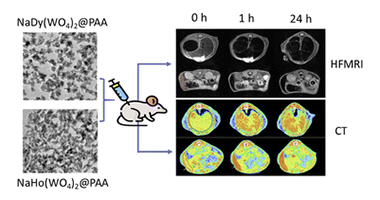
Research on high-field magnetic resonance imaging (HF-MRI) has been increased in recent years, aiming to improve diagnosis accuracy by increasing the signal-to-noise ratio and hence image quality. Conventional contrast agents (CAs) have important limitations for HF-MRI, with the consequent need for the development of new CAs. Among them, the most promising alternatives are those based on Dy3+ or Ho3+ compounds. Notably, the high atomic number of lanthanide cations would bestow a high capability for X-ray attenuation to such Dy or Ho-based compounds, which would also allow them to be employed as CAs for X-ray computed tomography (CT). In this work, we have prepared uniform NaDy(WO4)(2) and NaHo(WO4)(2) nanoparticles (NPs), which were dispersible under conditions that mimic the physiological media and were nontoxic for cells, meeting the main requirements for their use in vivo. Both NPs exhibited satisfactory magnetic relaxivities at 9.4 T, thus making them a promising alternative to clinical CAs for HF-MRI. Furthermore, after their intravenous administration in tumor-bearing mice, both NPs exhibited significant accumulation inside the tumor at 24 h, attributable to passive targeting by the enhanced permeability and retention (EPR) effect. Therefore, our NPs are suitable for the detection of tumors through HF-MRI. Finally, NaDy(WO4)(2) NPs showed a superior X-ray attenuation capability than iohexol (commercial CT CA), which, along with their high r(2) value, makes them suitable as the dual-probe for both HF-MRI and CT imaging, as demonstrated by in vivo experiments conducted using healthy mice.
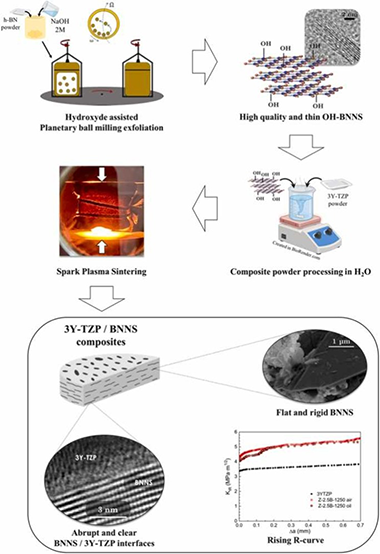
This paper deals with the effect of hydroxylated boron nitride nanosheets (BNNS) incorporation on the microstructural and mechanical features of zirconia ceramics. Few-layered BNNS were synthesized via a simple hydroxide-assisted planetary ball milling exfoliation technique. 3 mol% yttria tetragonal zirconia polycrystal (3Y-TZP) with 2.5 vol% BNNS powders were prepared by an environmentally friendly process in water, and spark-plasma sintered at three temperatures to explore the in-situ reduction of the functionalized BNNS. An exhaustive study by (S)TEM techniques was performed to elucidate the influence of the sintering temperature on the matrix and the 3Y-TZP/BNNS interfaces, revealing that BNNS were homogeneously distributed throughout the matrix with an abrupt transition at 3Y-TZP/BNNS interfaces. BNNS effectively hindered slow crack growth, thus increasing the composite's crack growth resistance by about 30 %. A 1 MPa·m1/2 rising R-curve was also induced by crack bridging.
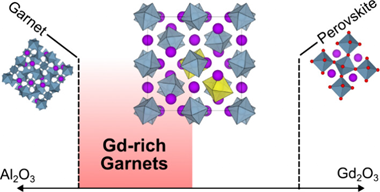
The garnet aluminates RE3Al5O12 (RE = Gd - Lu, Y) are an important class of optical materials with a range of applications. Typically, they do not tolerate large deviations from ideal stoichiometry, and their luminescence properties are controlled by dopant selection rather than modification of the host structure. Here, we use glass crystallization as a nonequilibrium synthesis route to a new family of highly nonstoichiometric gadolinium aluminate garnets, of formula Gd3+xAl5-xO12 with x <= 0.60. Remarkably, this range is much broader than the previously reported Y3+xAl5-xO12 series (x <= 0.4), despite the vast size contrast between Al3+ and Gd3+, which are forced to share a crystallographic site in the nonstoichiometric materials: the endmember Gd3.6Al4.4O12 lies halfway between ideal garnet and perovskite stoichiometries, with 30% of its octahedral Al3+ sites substituted by Gd3+. In principle, this crystal chemistry should allow the synthesis of phosphor systems with rare-earth activators distributed over two different cation sublattices. To probe the response of luminescence properties to extreme nonstoichiometry in Gd3+xAl5-xO12, we synthesized three model phosphor systems by doping with Ce3+, Tb3+, or Tm3+/Yb3+ and found that upconversion (Tm3+/Yb3+) phosphors have the most potential to be tuned by this approach. These results demonstrate that highly nonstoichiometric garnet aluminates are not limited to small rare-earth hosts such as YAG, opening new opportunities for development of different garnet-based optical and magnetic materials.
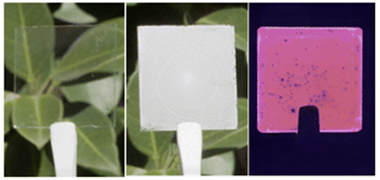
Herein, we demonstrate mechanically stable large-area thin films with a purely real refractive index (n) close to 1 in the optical range. At specific wavelengths, it can reach values as small as n = 1.02, the lowest reported for thin solid slabs. These are made of a random network of interwoven spherical silica shells, created by chemical vapour deposition of a thin layer of silica on the surface of randomly packed monodisperse polymer nanoparticles that form a film. Thermal processing of the composites results in highly porous silica-based transparent thin films. We demonstrate the potential of this approach by making novel photonic materials such as strong optical diffusers, built by integrating scattering centers within the ultralow n transparent films, or highly efficient light-emitting slabs, in which losses by total internal reflection are practically absent as a result of the almost null optical impedance at the film-air interface.
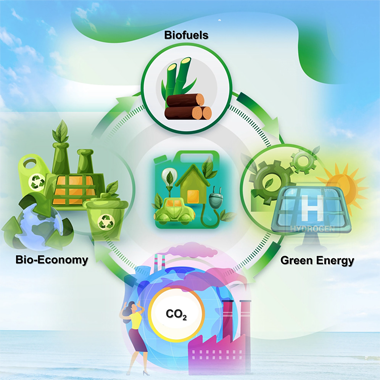
In this piece, we explore the transformative potential of sustainable biofuel production as a solution to the energy crisis and a pivotal element in realizing the environmental and societal ambitions of Society 5.0. Through a critical examination of "bottom-up"and "topdown"strategies for converting bio-feedstocks sourced from anthropogenic activities into renewable fuels, the work underscores the need for innovation in catalysts and process intensification. By highlighting the advances and challenges in harnessing unconventional feedstocks and integrating renewable energy, this work points to a future where biofuels stand as a cornerstone of a sustainable energy landscape. The significance of this discussion extends beyond the technical realm, offering a vision for a circular economy that reduces dependence on fossil fuels, addresses climate change, and promotes global energy security. It calls for a united front among researchers, industry leaders, and policymakers to drive the biofuel sector toward efficiency, scalability, and widespread adoption.
Solid-state oxide ion and proton conductors are garnering significant attention due to their high ionic conductivity and potential applications in a range of electrochemical devices, including solid oxide fuel cells and gas sensors. In this study, we report the influence of partial substitution of La3+ in isolated tetrahedral LaVO4 ceramics with 0.01 mol of alkaline-earth metals Ca2+, Sr2+ and Ba2+ on the phase stability and electrical properties. It was found that acceptor doping effectively enhances mixed oxide ion and proton conductivities, with Sr2+ substitution yielding the highest conductivity, achieving ∼10−3 S cm−1 at 900 °C under a wet O2 atmosphere. DFT calculations and ab initio molecular dynamics simulations revealed that protons preferentially form hydrogen bonds with the lattice oxygen near the dopants and migrate through a continuous process of hopping and rotation between inter- and intra-tetrahedral VO4 groups. Additionally, the existence of oxygen vacancies facilitates the formation of V2O7 dimers through sharing corners with adjacent isolated VO4 tetrahedra, enabling ion exchange through a synergistic mechanism involving V2O7 dimer breaking and reforming. This research highlights the critical role of the deformation and rotational flexibility of isolated tetrahedral units in facilitating oxide ion and proton transport, underscoring the potential for developing mixed oxide ion and proton conductors in oxygen vacancy-deficient oxides with tetrahedral-based structures.
Given the rapid advancements in artificial intelligence, there is an escalating demand for wearable sensors. An efficient graphene-based material synthesized from the mesophase pitch of waste slurry oil was integrated into a cost-effective piezoresistive pressure sensor consisting of a conductive film made of carbon nanotubes (CNTs), graphene, and Polydimethylsiloxane (PDMS). A simple fabrication approach has been suggested to infuse PDMS with CNTs-graphene, resulting in a pressure sensor exhibiting superior conductivity, enhanced sensitivity, and quick responsiveness to diverse pressure variations. Moreover, films containing varying percentages of graphene were compared. Scanning electron microscopy was utilized to examine the surface and structural characteristics of the CNTs-graphene-PDMS film, alongside studying the pressure sensor's sensing capabilities. Various applications were examined for both the individual sensor and the array of sensors. The findings demonstrate the successful detection of diverse human motions, Morse code recognition, and effective discernment of various pressures by the fabricated pressure sensor, indicating its potential for applications in smart devices, robotics, and wearable sensors.
The discovery of a set of beads, comprising both Sicilian amber and resin-coated beads in the Middle Bronze Age burial site of Cova del Gegant (Sitges, Barcelona, Spain), has sparked inquiries into whether the coating was intended for imitation or counterfeiting of amber. We assert that human-made materials, such as bead coatings, are intentionally conceived, designed, and crafted to fulfill specific functions. Thus, for an object to effectively fulfill its intended purpose, it must meet particular performance criteria influenced by situational factors. This paper aims to construct an empirically grounded narrative elucidating the development and function of resin-coated bead technology. Our methodology includes a comprehensive quantitative analysis of the coating and beads, an exploration of the interplay between technical choices and situational factors, and an investigation into whether the simulation of sensory performance characteristics played a pivotal role in the concept and design of resin-coated beads. Additionally, we synthesize data to unveil broader patterns related to the crafting and utilization of resin-coated and amber beads across time and space. We have documented resin-coated beads in the Iberian Peninsula from the Neolithic period (5th to 3rd millennia BCE) until at least the Middle Bronze Age (first half of the 2nd millennium BCE), where they coexisted with amber beads. Analysis employing ATR-FTIR and mu-CT imaging has revealed a composite coating comprising pine resin, beeswax, and carotene, adhered to shell beads with bone glue. This composite material represents the earliest known development in human history, unique to the Iberian Peninsula and without parallel in Prehistoric Europe. Our examination of the performance characteristics and functional roles of resin-coated beads suggests their potential as substitutes for amber beads, particularly in regions where amber was scarce or inaccessible. Despite being crafted from commonplace materials, these coated beads exhibit intentional design choices likely aimed at simulating the visual performance characteristics of amber. This deliberate effort, alongside their widespread distribution across time and space, indicates that composite-coated beads held symbolic and social significance akin to amber beads.
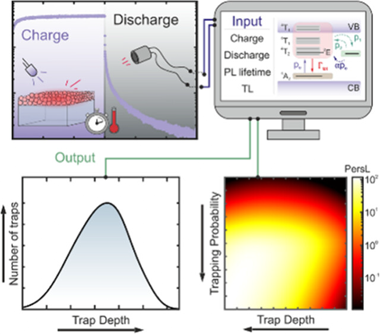
Persistent luminescence materials have applications in diverse fields such as smart signaling, anticounterfeiting, and in vivo imaging. However, the lack of a thorough understanding of the precise mechanisms that govern persistent luminescence makes it difficult to develop ways to optimize it. Here we present an accurate model to describe the various processes that determine persistent luminescence in ZnGa2O4:Cr3+, a workhorse material in the field. A set of rate equations has been solved, and a global fit to both charge/discharge and thermoluminescence measurements has been performed. Our results establish a direct link between trap depth distribution and afterglow kinetics and shed light on the main challenges associated with persistent luminescence in ZnGa2O4:Cr3+ nanoparticles, identifying low trapping probability and optical detrapping as the main factors limiting the performance of ZnGa2O4:Cr3+, with a large margin for improvement. Our results highlight the importance of accurate modeling for the design of future afterglow materials and devices.
Water quality and usability are global concerns due to microbial and chemical pollution resulting from anthropogenic activities. Therefore, strategies for eliminating contaminants are required. In this context, the removal and decrease in antibiotic activity (AA) associated with levofloxacin (LEV), using TiO2 and Ag/TiO2 catalysts, with and without sunlight and peroxydisulfate, was evaluated. Additionally, the disinfection capacity of catalytic systems was assessed. The catalysts were synthesized and characterized. Moreover, the effect of Ag doping on visible light absorption was determined. Then, the photocatalytic treatment of LEV in water was performed. The materials characterization and EPR analyses revealed that LEV degradation and AA decrease were ascribed to a combined action of solar light, sulfate radical, and photocatalytic activity of the TiO2-based materials. Also, the primary byproducts were elucidated using theoretical analyses (predictions about moieties on LEV more susceptible to being attacked by the degrading species) and experimental techniques (LC-MS), which evidenced transformations on the piperazyl ring, carboxylic acid, and cyclic ether on LEV. Moreover, the AA decrease was linked to the antibiotic transformations. In addition, the combined system (i.e., light/catalyst/peroxydisulfate) was shown to be effective for E. coli inactivation, indicating the versatility of this system for decontamination and disinfection.
There is relevant interest concerning beehives, taking into account climate change and its influence on bees’ behavior. A part of the industrial engineering sector is focusing on beekeeping applications. More specifically, the present study aims to develop a trailer for the transport of beehives adapted to be placed or fixed to a tractor or a vehicle trailer, with the objective of transporting the beehives safely and stably during transhumance. The proposed novel design relates to a trailer that incorporates a device for housing a rectangular section of the beehives, which can be adapted for fixing or housing in a vehicle or in a vehicle trailer. The device comprises a lower support structure, adapted to support a plurality of rectangular sections of beehives stacked horizontally on the lower structure, an upper frame adapted to house the beehives inside, and two or more connecting elements between the lower structure and the upper frame. The connection of the trailer with the device facilitates the loading and unloading of the beehives by mechanical means. The different parts have been designed as individual pieces and then assembly is carried out to achieve the complete design. This method of implementation is because the simulation of individual components is simpler and easier, since if it is carried out through assembly, the type of joint, such as welding, and the length of the weld would have to be indicated at each point of contact between components, along with its thickness and all the necessary parameters. Therefore, in those welding points, fixed fastenings are indicated and so will simplify it. In accordance with the individual creation of each part, its own load simulation has been carried out. Static analyses are performed taking into account structural elements of this proposed design, with restrictions and loads being established. The analysis, including upper bars and supports, has been completed with several situations. Based on stress values, deformations have been determined and calculations evaluated. The trays have been manufactured using flat steel bars and angled bars for the legs and support of the hives.
The use of waste to capture CO2 has been on the rise, to reduce costs and to improve the environmental footprint. Here, a flue gas desulfurization (FGD) gypsum waste is proposed, which allows us to obtain a CaCO3-based solid, which should be recycled. The CO2 capture stage has primarily been carried out via the direct carbonation method or at high temperature. However, a high energy penalty and/or long reaction times make it unattractive from an industrial perspective. To avoid this, herein an indirect method is proposed, based on first capturing the CO2 with NaOH and later using an aqueous carbonation stage. This allows us to capture CO2 at a near-ambient temperature, improving reaction times and avoiding the energy penalty. The parameters studied were Ca2+/CO32− ratio, L/S ratio and temperature. Each of them has been optimized, with 1.25, 100 mL/g and 25 °C being the optimal values, respectively, reaching an efficiency of 72.52%. Furthermore, the utilization of the produced CaCO3 as a building material has been analyzed. The density, superficial hardness and the compressive strength of a material composed of 10 wt% of CaCO3 and 90 wt% of commercial gypsum, with a water/solid ratio of 0.5, is measured. When the waste is added, the density and the mechanical properties decreased, although the compressive strength and superficial hardness are higher than the requirements for gypsum panels. Thus, this work is promising for the carbonation of FGD-gypsum, which involves its chemical transformation into calcium carbonate through reacting it with the CO2 of flue gasses and recycling the generated wastes in construction materials
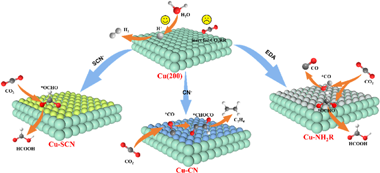
The development of efficient strategies to tune the CO2RR selectivity of Cu-based catalytic interfaces, especially on specific domains, such as Cu (200) facets with high activity toward competitive hydrogenation evolution reaction (HER), remains a challenging task. In this work, Cu-based catalytic layers with thiocyanate (-SCN), cyanide (-CN), or ethylenediamine (-NH2R) coordination linkages are prepared on Cu nanocolumns arrays (Cu NCAs) with predominant (200) exposed facets. The coordination of these ligands induces more Cu+ species and inhibits the adsorption of H & lowast; on the Cu (200) facet, leading to enhanced CO2RR performance and substantially suppressing the competitive HER. The faradaic efficiency (FE) of Cu-SCN, Cu-CN, and Cu-NH2R NWAs for producing HCOOH, C2H4, and C1 mixture products (HCOOH and CO) reach to 66.5%, 21.1%, and 57.1%, respectively. In situ spectroscopic studies reveal Cu-SCN, Cu-CN, and Cu-NH2R exhibit more reasonable adsorption energy toward & lowast;OCHO, *CO, and *COOH intermediates, promoting the HCOOH, C2H4, and C1 mixture generation, respectively. This study might provide a new perspective for the development of high-performance Cu-based CO2RR catalytic electrodes based on the combination of various commercial free-standing Cu substrates and organic/inorganic ligands. (c) 2024 Elsevier Ltd. All rights are reserved, including those for text and data mining, AI training, and similar technologies.
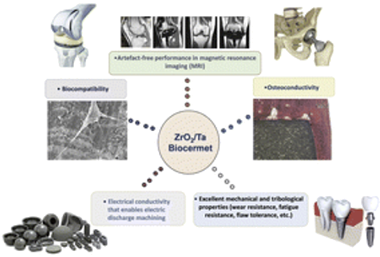
A biocermet made of zirconia/20 vol% tantalum (3Y-TZP/Ta) is a new composite with exceptional capabilities due to a combination of properties that are rarely achieved in conventional materials (high strength and toughness, cyclic fatigue resistance and flaw tolerance, wear resistance, corrosion resistance, electrical conductivity, etc.). In this study, for the first time, the biomedical performance of a 3Y-TZP/Ta biocermet was evaluated in detail. Its in vitro biocompatibility was assessed using mesenchymal stem cell culture. The effectiveness of in vivo osteointegration of the biocermet was confirmed 6 months after implantation into the proximal tibiae of New Zealand white rabbits. In addition, the possibility of using magnetic resonance imaging (MRI) for medical analysis of the considered biocermet material was studied. The 3Y-TZP/Ta composite showed no injurious effect on cell morphology, extracellular matrix production or cell proliferation. Moreover, the implanted biocermet appeared to be capable of promoting bone growth without adverse reactions. On the other hand, this biocermet demonstrates artefact-free performance in MRI biomedical image analysis studies, making it more suitable for implant applications. These findings open up possibilities for a wide range of applications of these materials in orthopedics, dentistry and other areas such as replacement of hard tissues.
The influence of an extremely reductive melting atmosphere on the oxidation and coordination states adopted by transition metals in an ultrabasic host was evaluated. An invert glass (46SiO(2)center dot 11Na(2)O center dot 21CaO center dot 22BaO, basicity = 0.71) was synthesized in container-less conditions, on a jet of Ar 5%H-2. Performed measurements included optical absorption, optical emission and electron paramagnetic resonance spectroscopy. The results revealed that the used atmosphere dramatically decreases the oxidation state(s) dopants assume, compared to those stable under oxidative melting in such a host. After reductive melting: (i) Ti3+ appears alongside Ti4+; (ii) V3+ is added to V5+; (iii) Mn2+ fully substitutes Mn3+ and Mn5+; (iv) Cu2+ is entirely replaced by Cu(+)and Cu-0. These results could be rationalized considering the action of additional factors like ligand-field stabilization energy, ionization energy and special filling numbers of the 3d-subshell. They modulate the interaction between basicity and atmosphere redox character, in a way specific to each transition metal.
Next-generation light-emitting applications such as displays and opticalcommunications require judicious control over emitted light, includingintensity and angular dispersion. To date, this remains a challenge as con-ventional methods require cumbersome optics. Here, we report highly direc-tional and enhanced electroluminescence from a solution-processed quasi-2-dimensional halide perovskite light-emitting diode by building a devicearchitecture to exploit hybrid plasmonic-photonic Tamm plasmon modes. Byexploiting the processing and bandgap tunability of the halide perovskitedevice layers, we construct the device stack to optimise both optical andcharge-injection properties, leading to narrow forward electroluminescencewith an angular full-width half-maximum of 36.6° compared with the con-ventional isotropic control device of 143.9°, and narrow electroluminescencespectral full-width half-maximum of 12.1 nm. The device design is versatile andtunable to work with emission lines covering the visible spectrum with desireddirectionality, thus providing a promising route to modular, inexpensive, anddirectional operating light-emitting devices.
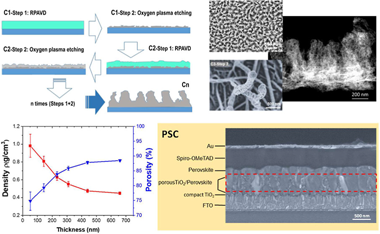
The ability to control the porosity of thin oxide films is a key factor determining their properties. Despite the abundance of dry processes for synthesizing oxide porous layers, a high porosity range is typically achieved by spin-coating-based wet chemical methods. Besides, special techniques such as supercritical drying are required to replace the pore liquid with air while maintaining the porous network. In this study, we propose a new method for the fabrication of ultraporous titanium dioxide thin films at room or mild temperatures (T <= 120 degrees C) by a sequential process involving plasma deposition and etching. These films are conformal to the substrate topography even for high-aspect-ratio substrates and show percolated porosity values above 85% that are comparable to those of advanced aerogels. The films deposited at room temperature are amorphous. However, they become partly crystalline at slightly higher temperatures, presenting a distribution of anatase clusters embedded in the sponge-like open porous structure. Surprisingly, the porous structure remains after annealing the films at 450 degrees C in air, which increases the fraction of embedded anatase nanocrystals. The films are antireflective, omniphobic, and photoactive, becoming superhydrophilic when subjected to ultraviolet light irradiation. The supported, percolated, and nanoporous structure can be used as an electron-conducting electrode in perovskite solar cells. The properties of the cells depend on the aerogel-like film thickness, which reaches efficiencies close to those of commercial mesoporous anatase electrodes. This generic solvent-free synthesis is scalable and applicable to ultrahigh porous conformal oxides of different compositions, with potential applications in photonics, optoelectronics, energy storage, and controlled wetting.
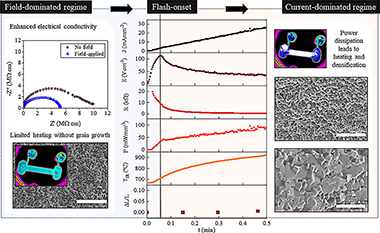
Joule heating is generally acknowledged as the main driving force behind Flash Sintering. However, this view is challenged by the presence of athermal phenomena and the similarities between the flash process and dielectric breakdown. This work offers new insights into flash as an electrical runaway. Using current ramps to perform flash experiments on zinc oxide, two distinct stages within the process were revealed by electrical, thermal and microstructural measurements: a field-dominated regime where the flash event is triggered and a subsequent current-dominated regime associated with power dissipation. The contribution of each regime to the whole flash process was found to be determined by the initial resistivity of the sample. Furthermore, impedance spectroscopy data confirmed field-induced enhancement of conductivity at the flash-onset without significant Joule heating.
En este trabajo, la Titania se modificó por sulfatación o fluorización y platino en superficie, con el objetivo de mejorar la eficiencia en la reducción de Cr (VI) en comparación con el material TiO2 base sintetizado por el método sol-gel. Los materiales fueron caracterizados por DRX, SBET, UV-Vis DRS, FRX, TEM, FTIR y XPS. Las modificaciones permitieron obtener una mayor estabilidad en la fase Anatasa y en el área superficial del semiconductor. La adición de F y Pt en el TiO2 provocaron aumentos de absorción en la región visible del espectro electromagnético. Se observó una correlación entre las nuevas propiedades fisicoquímicas obtenidas tras la modificación del TiO2 y el rendimiento fotocatalítico del material. El mejor resultado en la reducción de cromo se obtuvo utilizando Pt-S-TiO2 como fotocatalizador, este material mostró una combinación adecuada de área superficial, alta absorción UV-Vis, alta hidroxilación y la existencia de nanopartículas de Pt en la superficie que favorecen un aumento de la vida media del par electrón-hueco. También se evaluaron parámetros de reacción que demostraron que el mejor desempeño fotocatalítico se obtuvo bajo atmósfera de N2, intensidad de luz de 120 W/m2 y 2 horas de tiempo total de reacción. Así mismo, se observó que aumentar el tiempo de reacción de 2 a 5 horas tuvo un efecto perjudicial sobre la eficiencia en la reducción de Cr (VI).
The urgent need for mitigating climate change necessitates a transformative shift in energy production and consumption paradigms. Amidst this challenge, bioenergy emerges as a pivotal contributor to the global energy transition, offering a diverse array of solid, liquid, and gaseous fuels derived from biomass. This mini review delves into the unique potential of bioenergy innovations, particularly renewable diesel, bio jet fuel, and ethanol, to reduce greenhouse gas emissions and transform various industries. The article highlights critical technological advancements, supportive policies, and cross-sector collaboration essential for a sustainable energy transition. Specific challenges such as ensuring a consistent biomass feedstock supply, decentralizing processing units, and navigating complex regulatory frameworks are examined. Innovative solutions like decentralized biomass processing and enhanced biomass logistics are discussed as pathways to overcome these barriers. The review provides specific recommendations for near-term policies and strategies to support decentralized facilities, showcasing bioenergy's role in achieving a sustainable future.
This work proposes catalytic systems for fructose dehydration to 5-hydroxymethylfurfural using a series of functionalized carbon nanofibers. The catalysts were synthesized via finely selected covalent grafting in order to include a variety of functionalities like pure Bronsted acid, tandem Br & oslash;nsted/Lewis acid, and tandem Lewis acid/Lewis base catalysts. After the characterization and evaluation of acidity strength and the amount of acid centers, the catalyst series was screened and related to the product distribution. The best-performing catalyst was also used to optimize the reaction parameters in order to achieve 5-hydroxymethylfurfural yields rounding at 60% without significant humin formation.
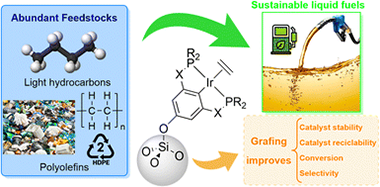
This scientific review delves into the innovative realm of polyolefins/light alkanes valorization through their catalytic dehydrogenation employing pincer-ligated iridium organometallic complexes. These widely studied catalysts exhibit outstanding properties, although the intrinsic characteristics of homogeneous catalysis (such as challenging product–catalyst separation, poor applicability to continuous-flow processes and low recyclability) limit their activity and industrial application, as well as their thermal stability. Through the immobilization of complexes on inorganic supports, these downsides have been bypassed, harnessing the true potential of these catalysts, affording more selective and stable catalysts in addition to facilitating their implementation in industrial processes. The findings described herein contribute to the advancement in the understanding of catalytic processes in hydrocarbon transformations, offering promising avenues for sustainable and selective production of valuable chemical intermediates from readily available feedstocks.
Research on personal adornments depends on the reliable characterisation of materials to trace provenance and model complex social networks. However, many analytical techniques require the transfer of materials from the museum to the laboratory, involving high insurance costs and limiting the number of items that can be analysed, making the process of empirical data collection a complicated, expensive and time-consuming routine. In this study, we compiled the largest geochemical dataset of Iberian personal adornments (n = 1243 samples) by coupling X-ray fluorescence compositional data with their respective X-ray diffraction mineral labels. This allowed us to develop a machine learning-based framework for the prediction of bead-forming minerals by training and benchmarking 13 of the most widely used supervised algorithms. As a proof of concept, we developed a multiclass model and evaluated its performance on two assemblages from different Portuguese sites with current mineralogical characterisation: Cova das Lapas (n = 15 samples) and Gruta da Marmota (n = 10 samples). Our results showed that decisi & oacute;n-tres based classifiers outperformed other classification logics given the discriminative importance of some chemical elements in determining the mineral phase, which fits particularly well with the decision-making process of this type of model. The comparison of results between the different validation sets and the proof-of-concept has highlighted the risk of using synthetic data to handle imbalance and the main limitation of the framework: its restrictive class system. We conclude that the presented approach can successfully assist in the mineral classification workflow when specific analyses are not available, saving time and allowing a transparent and straightforward assessment of model predictions. Furthermore, we propose a workflow for the interpretation of predictions using the model outputs as compound responses enabling an uncertainty reduction approach currently used by our team. The Python-based framework is packaged in a public repository and includes all the necessary resources for its reusability without the need for any installation.
Fischer-Tropsch Synthesis (FTS) allows the conversion of syngas to high-density liquid fuels, playing a key role in the petrochemical and global energy sectors over the last century. However, the current Global Challenges impose the need to recycle CO2 2 and foster green fuels, opening new opportunities to adapt traditional processes like FTS to become a key player in future bioenergy scenarios. This review discusses the implementation of CO2- 2- rich streams and in tandem catalysis to produce sustainable fuels via the next generation of FTS. Departing from a brief revision of the past, present, and future of FTS, we analyse a disruptive approach coupling FTS to upstream and downstream processes to illustrate the advantages of process intensification in the context of biofuel production via FTS. We showcase a smart tandem catalyst design strategy addressing the challenges to gather mechanistic insights in sequential transformations of reagents in complex reaction schemes, the precise control of structure-activity parameters, catalysts aging-deactivation, optimization of reaction parameters, as well as reaction engineering aspects such as catalytic bed arrangements and non-conventional reactor configurations to enhance the overall performance. Our review analysis includes technoeconomic elements on synthetic aviation fuels as a case of study for FTS applications in the biofuel context discussing the challenges in market penetration and potential profitability of synthetic biofuels. This comprehensive overview provides a fresh angle of FTS and its enormous potential when combined with CO2 2 upgrading and tandem catalysis to become a front-runner technology in the transition towards a low-carbon future.
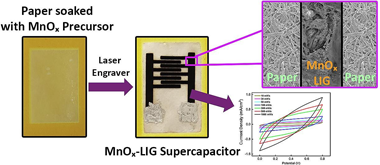
Laser-induced graphene (LIG) on paper is a popular choice for fabricating flexible micro-supercapacitors (MSCs) as it is a simple and sustainable process. However, carbon-based MSC electrodes have limited energy densities. To address this challenge, this study presents a highly reproducible and cost-effective method for decorating manganese oxide (MnOx) x ) on interdigital LIG MSC electrodes, fabricated via a single-step direct laser writing (DLW) process on paper substrates. The paper fibers embedded with MnOx x precursors are transformed into graphene through laser processing while reducing the salt, resulting in the formation of MnOx-LIG. x-LIG. The resulting MnOx-LIG-MSC x-LIG-MSC exhibits a specific capacitance of 12.30 mF cm- 2 (0.05 mA cm- 2 ) with a 60 % retention at 1000 bending cycles (30 degrees), degrees ), due to the pseudocapacitive contribution of MnOx. x . Furthermore, the devices exhibit high electrochemical stability, retaining 190 % of the initial specific capacitance after 10,000 cycles, and a high energy density of 2.6 mu Wh cm-- 2 (at a power of 0.109 mW cm-- 2 ). The study demonstrates that manganese oxide- based LIG-MSCs have the potential to be used as energy storage devices for portable, low-cost, and flexible paper electronics.
This study focused on the development of vanadium-based catalysts for formic acid production from glucose. The influence of different vanadium precursors on the catalytic activity of titania supported catalysts was contemplated and compared to the performance of commercial and synthesized unsupported V2O5. The obtained results reveal a successful deposition of multiple vanadium species on TiO2 as confirmed by XRD, Raman, and UV-Vis measurements. Catalyst screening identifies V5+ species as main player indicating its important oxidizing potential. Afterwards, the key reaction conditions, as temperature, time, pressure and catalyst loading, were optimized as well as the state of the catalyst after the reaction characterized.
Magnetron sputtering of two materials (Aluminum and Silicon) was performed in He gas and led to the formation of very different porous thin films: a fiberform nanostructure or a gas/solid nanocomposite. The composition of the thin films obtained was analyzed by means of ion beam techniques: Rutherford backscattering and proton elastic backscattering spectroscopies to measure the amount of Al(Si) deposited atoms and that of He atoms inserted inside the films. Microstructural and crystalline properties were analyzed by scanning electron microscopy and X-ray diffraction. Transmission electron microscopy coupled with electron energy loss spectroscopy were used to investigate the presence of empty or He filled pores or even bubbles. Correlating the Al(Si) film properties with the deposition conditions evaluated by SRIM (sputtering process at the target) and by a homemade collision code (species transport to the substrate) gave a better insight into the reason for the formation of such different films. The role of both He ions backscattered at the target and surface mobility during the growth is discussed. Comparison with low kinetic energy He + implantation experiments indicates that similar mechanisms, such as He insertion, diffusion inside the lattice, release or accumulation into pores and bubbles, are certainly taking place.
In this work, the influence of the aspect ratio of graphene-based nanostructures (GBNs) and content on the mechanical properties of 3 mol% yttria tetragonal zirconia polycrystalline 3Y-TZP matrix composites was analysed. The influence of the dispersion method and sintering parameters on the flexural strength and elastic modulus of the composites was studied, and the fracture surfaces were characterized to determine the fracture mechanisms that occur. The results showed that small amounts of exfoliated graphene nanoplatelets, with reduced lateral size, and few layer graphene, up to 1.0 and 2.5 vol%, respectively, slightly increase the 3Y-TZP flexural strength. This has been attributed to the tortuosity of the crack propagation pathways and strengthening mechanisms. Higher contents cause a decrease in flexural strength and stiffness because of overlapped GBNs, which can promote the crack propagation. The pull-out of GBN was more significant in composites with non-exfoliated graphene nanoplatelets, where no increase on the flexural or biaxial strength was measured.
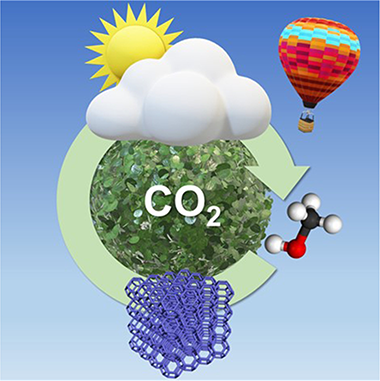
The Intergovernmental Panel on Climate Change (IPCC) recognises the pivotal role of renewable energies in the future energy system and the achievement of the zero-emission target. The implementation of renewables should provide major opportunities and enable a more secure and decentralised energy supply system. Renewable fuels provide long-term solutions for the transport sector, particularly for applications where fuels with high energy density are required. In addition, it helps reducing the carbon footprint of these sectors in the long-term. Information on biomass characteristics feedstock is essential for scaling-up gasification from the laboratory to industrial-scale. This review deals with the transformation biogenic residues into a valuable bioenergy carrier like biomethanol as the liquid sunshine based on the combination of modified mature technologies such as gasification with other innovative solutions such as membranes and microchannel reactors. Tar abatement is a critical process in product gas upgrading since tars compromise downstream processes and equipment, for this, membrane technology for upgrading syngas quality is discussed in this paper. Microchannel reactor technology with the design of state-of-the-art multifunctional catalysts provides a path to develop decentralised biomethanol synthesis from biogenic residues. Finally, the development of a process chain for the production of (i) methanol as an intermediate energy carrier, (ii) electricity and (iii) heat for decentralised applications based on biomass feedstock flexible gasification, gas upgrading and methanol synthesis is analysed.
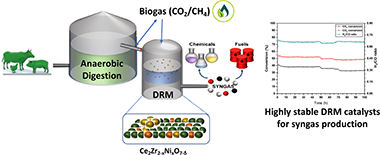
The increasing anthropogenic emissions of greenhouse gases (GHG) is encouraging extensive research in CO2 utilisation. Dry reforming of methane (DRM) depicts a viable strategy to convert both CO2 and CH4 into syngas, a worthwhile chemical intermediate. Among the different active phases for DRM, the use of nickel as catalyst is economically favourable, but typically deactivates due to sintering and carbon deposition. The stabilisation of Ni at different loadings in cerium zirconate inorganic complex structures is investigated in this work as strategy to develop robust Ni-based DRM catalysts. XRD and TPR-H2 analyses confirmed the existence of different phases according to the Ni loading in these materials. Besides, superficial Ni is observed as well as the existence of a CeNiO3 perovskite structure. The catalytic activity was tested, proving that 10 wt.% Ni loading is the optimum which maximises conversion. This catalyst was also tested in long-term stability experiments at 600 and 800°C in order to study the potential deactivation issues at two different temperatures. At 600°C, carbon formation is the main cause of catalytic deactivation, whereas a robust stability is shown at 800°C, observing no sintering of the active phase evidencing the success of this strategy rendering a new family of economically appealing CO2 and biogas mixtures upgrading catalysts.
Herein we study the economic performance of hydrochar and synthetic natural gas co-production from olive tree pruning. The process entails a combination of hydrothermal carbonization and methanation. In a previous work, we evidenced that standalone hydrochar production via HTC results unprofitable. Hence, we propose a step forward on the process design by implementing a methanation, adding value to the gas effluent in an attempt to boost the overall process techno-economic aspects. Three different plant capacities were analyzed (312.5, 625 and 1250 kg/hr). The baseline scenarios showed that, under the current circumstances, our circular economy strategy in unprofitable. An analysis of the revenues shows that hydrochar selling price have a high impact on NPV and subsidies for renewable coal production could help to boost the profitability of the process. On the contrary, the analysis for natural gas prices reveals that prices 8 times higher than the current ones in Spain must be achieved to reach profitability. This seems unlikely even under the presence of a strong subsidy scheme. The costs analysis suggests that a remarkable electricity cost reduction or electricity consumption of the HTC stage could be a potential strategy to reach profitability scenarios. Furthermore, significant reduction of green hydrogen production costs is deemed instrumental to improve the economic performance of the process. These results show the formidable techno-economic challenge that our society faces in the path towards circular economy societies.
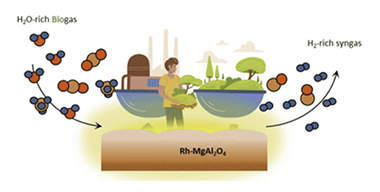
The impact derived from incorporating water into CH4/CO2 biogas stream for the generation of syngas was investigated over the Rh/MgAl2O4 catalyst using operando steady-state and transient DRIFT spectroscopy coupled with MS. The incorporation of steam resulted in improved CH4 conversion rates and attained syngas streams with higher H-2/CO ratios. It was demonstrated that in the presence of steam, the generation of CHxO species through the reaction of CO* with active *OH species is favored at the metal support surface. Besides, the enhanced resistance delivered by water molecules towards deactivating the coking phenomena was associated with easier carbonaceous decomposition and the exposition of the very active Rh (100) surfaces for methane decomposition. The Rh/MgAl2O4 catalyst was demonstrated to be an effective catalyst for the production of H-2-rich syngas streams. More importantly, the insights reported herein provide new evidences regarding the impact of steam on biogas reforming reactions.
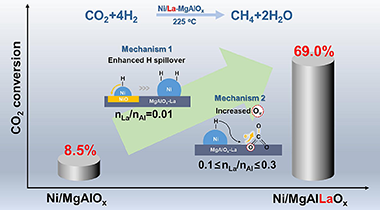
LDH-derived Ni-based catalysts are gathering momentum due to their excellent thermal stability but their lowtemperature CO2 methanation is limited. In this study, various concentrations of La were introduced into the LDH-derived Ni-based catalysts for CO2 methanation, and the underlying mechanisms were investigated. The optimal Ni/La-0.2-MgAlOx catalyst presented a CO(2)conversion level of 69.0 % at 225 C-degrees, which is over 7 times higher than that of conventional Ni/MgAlOx. The addition of small amounts of La could significantly enhance H spillover to promote the reduction of Ni species, but the oxygen vacancy concentration became the dominant factor causing changes in low -temperature activity as the La contents continue to increase. CO2 was found to be adsorbed at the oxygen vacancies in the form of bidentate carbonates, which are more reactive under an enhanced electron -rich environment. The research offers guidance to design effective and sustainable catalysts for low -temperature CO2 methanation.
Cigarette butts (CBs) are one of the most common types of litter in the world. Due to the toxic substances they contain, the waste generated poses a harmful risk to the environment, and therefore there is an urgent need for alternative solutions to landfill storage. Thus, this work presents a possible revalorization of this waste material, which implies interesting environmental benefits. CBs were used as sacrificial templates for the preparation of CaO-based materials by impregnation with calcium and magnesium nitrates followed by flaming combustion. These materials presented enhanced porosity for their use in the Calcium Looping process applied either to thermochemical energy storage or CO2 capture applications. The influence of the concentration of Ca and Mg in the impregnating solutions on the multicycle reactivity of the samples was studied. An improved multicycle performance was obtained in terms of conversion for both applications.
The rapid growth of global energy consumption and the increasing demand for sustainable and renewable energy sources have urged vast research into harnessing energy from various sources. Among them, the most promising approaches are nanogenerators (NGs) and solar cells (SCs), which independently offer innovative solutions for energy harvesting. This review paper presents a comprehensive analysis of the integration of NGs and SCs, exploring advanced hybrid structures and their diverse applications. First, an overview of the principles and working mechanisms of NGs and SCs is provided for seamless hybrid integrations. Then, various design strategies are discussed, such as piezoelectric and triboelectric NGs with different types of SCs. Finally, a wide range of applications are explored that benefit from the synergistic integration of NGs and SCs, including self-powered electronics, wearable devices, environmental monitoring, and wireless sensor networks. The potential for these hybrid systems is highlighted to address real-world energy needs and contribute to developing sustainable and self-sufficient technologies. In conclusion, this review provides valuable insights into the state-of-the-art developments in NGs and SCs integration, shedding light on advanced hybrid structures and their diverse applications.
BiFeO3 is a promising multiferroic material for versatile device applications due to its co-existence of magnetic (i.e., antiferromagnetic) and ferroelectric ordering at room temperature. While its functional properties have been extensively investigated, the exploration of its mechanical behavior was limited mostly to the thin-film form of BiFeO3. In this work, we conducted in situ micropillar compression experiments to investigate the deformation behavior of La-doped BiFeO3 (La-BFO) samples processed by both conventional and flash sintering methods. The conventionally sintered La-BFO exhibited limited deformability at room temperature and 450 degrees C. In contrast, the deformability of the flash-sintered La-BFO specimens was substantially improved by nearly 100% at both testing temperatures. Detailed post-mortem studies suggest that preexisting dislocations and wide anti-phase boundaries introduced during flash sintering can toughen flash-sintered La-BFO by easing dislocation migration and ferroelastic domain switching. This study provides a fresh perspective to design an advanced multifunctional system with improved mechanical properties.
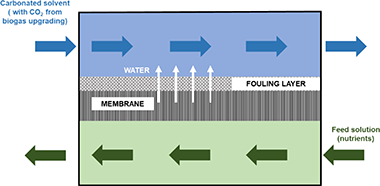
Among the challenges that wastewater treatment plants face in the path towards sustainability, reducing CO 2 emissions and decrease the amount of waste highlight. Within these wastes, those that can cause eutrophication, such as nutrients (nitrogen and phosphorous) are of great concern. Herein we study a novel process to concentrate nutrients via membrane technology. In particular, we propose the use of forward osmosis, applying the carbonated solvent which contains the CO 2 captured from the biogas stream as draw solution. This carbonated solvent has a high potential osmotic pressure, which can be used in forward osmosis to concentrate the nutrients stream. To this end, we present the results of an experimental plan specifically designed and performed to evaluate two main parameters: (1) nutrients concentration; and (2) water recovery. The process designed involves pH adjustment, membrane filtration to separate solids, pH reduction and forward osmosis concentration of nutrients. With this process, concentrations factor for nutrients in between 2 and 2.5 and water recovery of approximately 50 % with water flux of 7 to 8 L/(m 2 h) can be achieved.
Free-standing films have been obtained by drop-casting cellulose-glycerol mixtures (up to 50 wt% glycerol) dissolved in trifluoroacetic acid and trifluoroacetic anhydride (TFA:TFAA, 2:1, v:v). A comprehensive examination of the optical, structural, mechanical, thermal, hydrodynamic, barrier, migration, greaseproof, and biodegradation characteristics of the films was conducted. The resulting cellulose-glycerol blends exhibited an amorphous molecular structure and a reinforced H-bond network, as evidenced by X-ray diffraction analysis and infrared spectroscopy, respectively. The inclusion of glycerol exerted a plasticizing influence on the mechanical properties of the films, while keeping their transparency. Hydrodynamic and barrier properties were assessed through water uptake and water vapor/oxygen transmission rates, respectively, and obtained values were consistent with those of other cellulose-based materials. Furthermore, overall migration levels were below European regulation limits, as stated by using Tenax as a dry food simulant. In addition, these bioplastics demonstrated good greaseproof performance, particularly at high glycerol content, and potential as packaging materials for bakery products. Biodegradability assessments were carried out by measuring the biological oxygen demand in seawater and high biodegradation rates induced by glycerol were observed.
Hybrid organometal halide perovskites (HP) present exceptional optoelectronic properties, but their poor long-term stability is a major bottleneck for their commercialization. Herein, a solvent-free approach to growing single-crystal organic nanowires (ONW) is presented, along with nanoporous metal oxide scaffolds and HP, to form a core@multishell architecture. The synthesis is carried out under mild vacuum conditions employing thermal evaporation for the metal-free phthalocyanine (H2Pc) nanowires, which are the core, plasma-enhanced chemical vapor deposition (PECVD) for the TiO2 shell, and co-evaporation of lead iodide (PbI2) and methylammonium iodide (CH3NH3I/MAI) for the CH3NH3PbI3 (MAPbI3/MAPI) perovskite shell. A detailed characterization of the nanostructures by electron microscopy, (S)-TEM, and X-ray diffraction, XRD, is presented, revealing a different crystallization of the HP depending on the template: while the growth on H2Pc nanowires induces the typical MAPI tetragonal structure, a low-dimensional phase (LDP) is observed on the 1D-TiO2 nanotubes. Such a combination yields an unprecedentedly stable photoluminescence emission over 20 h and over 300 h after encapsulation in polymethyl methacrylate (PMMA) under different atmospheres including N2, air, and high moisture levels. Moreover, the unique 1D morphology of the system, together with the high refractive index, allows for a strong waveguiding effect along the HP nanowire length.
We study the thermal properties of a bulk Ni55Fe19Ga26 Heusler alloy in a conduction calorimeter. At slow heating and cooling rates (∼1Kh-1), we compare as-cast and annealed samples. We report a smaller thermal hysteresis after the thermal treatment due to the stabilization of the 14 M modulated structure in the martensite phase. In ultraslow experiments (40mKh-1), we detect and analyze the calorimetric avalanches associated with the direct and reverse martensitic transformation from cubic to 14 M phase. This reveals a distribution of events characterized by a power law with exponential cutoff p(u)∝u-εexp(-u/ξ) where ε∼2 and damping energies ξ=370μJ (direct) and ξ=27μJ (reverse) that characterize the asymmetry of the transformation.
The electrification of heat necessitates the development of innovative domestic heat batteries to effectively balance energy demand with renewable power supply. Thermochemical heat storage systems show great promise in supporting the electrification of heating, thanks to their high thermal energy storage density and minimal thermal losses. Among these systems, salt hydrate-based thermochemical systems are particularly appealing. However, they do suffer from slow hydration kinetics in the presence of steam, which limits the achievable power density. Additionally, their relatively high dehydration temperature hinders their application in supporting heating systems. Furthermore, there are still challenges regarding the appropriate thermodynamic, physical, kinetic, chemical, and economic requirements for implementing these systems in heating applications. This study analyzes a proposal for thermochemical energy storage based on the direct hydration of sodium acetate with liquid water. The proposed scheme satisfies numerous requirements for heating applications. By directly adding liquid water to the salt, an unprecedented power density of 5.96 W/g is achieved, nearly two orders of magnitude higher than previously reported for other salt-based systems that utilize steam. Albeit the reactivity drops as a consequence of deliquescence and particle aggregation, it has been shown that this deactivation can be effectively mitigated by incorporating 10 % silica, achieving lower but stable energy and power density values. Furthermore, unlike other salts studied previously, sodium acetate can be fully dehydrated at temperatures within the ideal range for electrified heating systems such as heat pumps (40 °C – 60 °C). The performance of the proposed scheme in terms of dehydration, hydration, and multicyclic behavior is determined through experimental analysis.
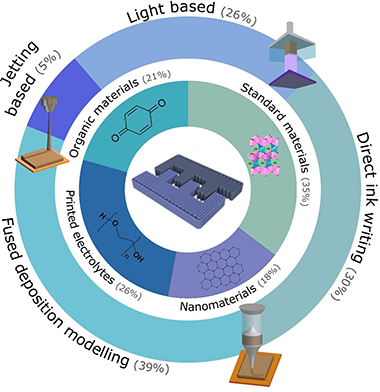
The review provides an overview of the latest innovations, trends, and challenges in the field of 3D-printed metal and metal-ion batteries. It focuses on the materials used in the printing of batteries, including electrodes, electrolytes, and other electroactive components. Compared to other high-quality reviews on the topic, this review provides a broader selection of materials that are expected to gain attention in the next few years, such as redox-active polymers and metal-organic frameworks. This work gives an overview and insight into the latest trends in printing techniques as well as a statistical review of their uses and strengths. We have also gathered the latest works done for each of the material types, and we have taken the opportunity to put them in context and use them to exemplify in which direction is the field going. The review concludes with a critical view of the challenges ahead and a discussion of the direction that the field is taking as well as the external factors that might help to define its future.
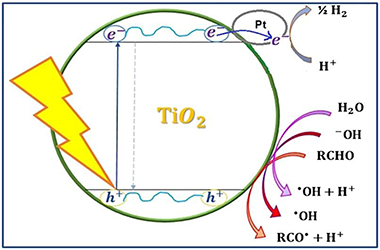
Different Pt-TiO2-Nb2O5 systems were synthesized and studied in the photocatalytic reforming of glucose for the generation of H2. The physicochemical properties of the synthesized photocatalysts were analyzed using different characterization techniques from which it was found that fluoridation and sulphation have different effects on the oxides under study such as a protective effect on the crystalline phase in anatase, and greater response in the visible region of the electromagnetic spectrum. The addition of fluorine or sulfates favors the reduction of platinum species on the surface of the semiconductor oxides and a better homogeneity of size and distribution of the particles of this metal. Studies were carried out in the gas phase that allowed the monitoring and quantification of the hydrogen produced from aqueous glucose solutions and it was determined that Pt-F-Nb2O5 and Pt-F-TiO2 are the most efficient materials for the production of hydrogen from this substrate. Similarly, liquid phase studies were carried out with a real sample from a confectionery industry where it was determined that with the material Pt-F-Nb2O5 the highest transformation of glucose is obtained, without the formation of any other sugar or intermediate compound, indicating the preferential production of hydrogen during the photocatalytic reaction. The foregoing demonstrates the potential of the evaluated process in obtaining this gas from the recovery of polluting residues derived from the samples under study.
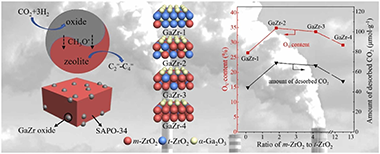
A bifunctional catalyst, comprising GaZr oxide and SAPO-34 zeolite, manifests enhanced catalytic activity in CO2 hydrogenation to light olefins; nonetheless, the comprehensive analysis of the pivotal role played by the underlying structure of ZrO2 in Ga-Zr oxide has not been investigated. Herein, different crystalline structures of ZrO2 were prepared by the co-precipitation method and adopted as a support to deposit Ga to obtain ZrO2 with different ratios of monoclinic ZrO2 (m-ZrO2) to tetragonal ZrO2 (t-ZrO2) in GaZr oxides for CO2 hydrogenation to light olefins. Various characterizations demonstrated that the interface between Ga and the mixed phase of (m-t) ZrO2 produces more oxygen vacancies which favors the adsorption and activation of CO2, and the larger specific surface area and stronger H2 adsorption and dissociation capacity promote CO2 conversion. Interestingly, the GaZr oxide with high m-ZrO2 content exhibits superior catalytic activity than the GaZr oxide with high content of t-ZrO2. The highest light olefins yield (9.0%) and selectivity (77.9%) (CO free) with 27.9% CO2 conversion was achieved. In-situ DRIFT spectra further elaborated that the GaZr oxides with different ZrO2 crystalline phases follow the same reaction pathway to hydrogenate CO2 first to HCOO* and then to CH3O* on GaZr oxide surface. While compared with sole ZrO2, the introduction of Ga significantly promotes the hydrogenation of HCOO* to CH3O*, acting as a crucial reaction intermediate that subsequently diffuses into SAPO-34 pores to enhance the desired light olefins selectivity.
Extensive research into green technologies is driven by the worldwide push for eco-friendly materials and energy solutions. The focus is on synergies that prioritize sustainability and environmental benefits. This study explores the potential of abundant, non-toxic, and sustainable resources such as paper, lignin-enriched paper, and cork for producing laser-induced graphene (LIG) supercapacitor electrodes with improved capacitance. A single-step methodology using a CO2 laser system is developed for fabricating these electrodes under ambient conditions, providing an environmentally friendly alternative to conventional carbon sources. The resulting green micro-supercapacitors (MSCs) achieve impressive areal capacitance (≈7–10 mF cm−2) and power and energy densities (≈4 μW cm-2 and ≈0.77 µWh cm−2 at 0.01 mA cm−2). Stability tests conducted over 5000 charge–discharge cycles demonstrate a capacitance retention of ≈80–85%, highlighting the device durability. These LIG-based devices offer versatility, allowing voltage output adjustment through stacked and sandwich MSCs configurations (parallel or series), suitable for various large-scale applications. This study demonstrates that it is possible to create high-quality energy storage devices based on biodegradable materials. This development can lead to progress in renewable energy and off-grid technology, as well as a reduction in electronic waste.
Alumina-yttrium aluminum garnet (YAG)-zirconia composites are often produced by the melt solidification method. In the present study, we investigated the fabrication of α-Al2O3/Y3Al5O12 (YAG)/ZrO2 composite by Spark Plasma Sintering (SPS) of powders synthesized by Pechini’s sol-gel method. The ternary composites with homogenous microstructure and high density were produced by SPS at 1300 °C for 15 min. The addition of ZrO2 promoted the sintering of composites, resulting in a higher density and, in turn, higher hardness. A change in the indentation fracture behavior as the result of ZrO2 addition was observed.
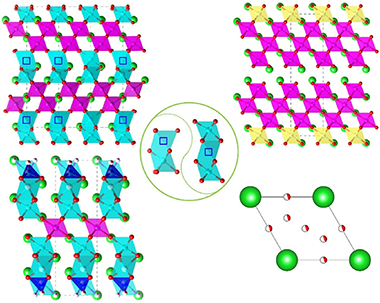
This review presents an overview on the structures and electrical properties of B-site deficient hexagonal perovskite oxides, which have been receiving increasing attention as key components as dielectric resonators in microwave telecommunications, as well as solid-state oxide ion and proton conductors in solid oxide fuel cells. The structural evolution and stability, order-disorder of cation and anions, and mechanisms underlying the dielectric and ionic conduction behaviors for the B-site deficient hexagonal perovskites are summarized and the roles of the B-site deficiency on the structural stability and option, ion order-disorder and electrical performance are highlighted. This provides useful guidance for design of new hexagonal perovskite oxide materials and structural control to enhance their electrical properties and discover new functionality as dielectric resonators and solid-state ionic conductors.
In this work, we have expanded the possibilities of the multiphase-flash sintering (MPFS) technique by investigating several configurations that involve multiple dogbone specimens (ranging from 1 to 3) and multiple phases (also ranging from 1 to 3). Unlike the traditional MPFS approach using complex 3D or cylindrical samples, this new method allows for a direct comparison with the established conventional flash sintering technique. Our experimental results with dense 8-mol% Yttria-stabilized zirconia demonstrate a significant reduction in the onset temperature as the number of phases and dogbones increases. Building on these findings, we achieved the preparation of pure bulk specimens of SrFe12O19 for the first time through reactive multiphase-flash sintering.
The oxidative carbonylation of methanol to synthesize dimethyl carbonate (DMC) has been extensively studied over Cu-based catalysts, but the activity and selectivity are not high. The Co catalysts exhibit high DMC selectivity, but the difficulty in recycling homogeneous Co catalyst and the low conversion of heterogeneous Co catalyst limit the application of Co catalysts. Here, the core–shell ZIFs materials were synthesized and carbonized to obtain solid core–shell cobalt catalysts, and then the catalytic performance for methanol conversion to DMC was investigated. The CoNC@NC catalyst, carbonized from Z67@Z8 with Z67 as the core and Z8 as the shell, shows that the carbonized NC shell effectively suppressed the aggregation of Co NPs and the Co NPs were only 15.4 nm, which was much smaller than those of NC@CoNC (34.5 nm) and CoNC (48.1 nm) catalysts. Compared with the CoNC catalyst, CoNC@NC significantly improved the pulse chemisorption of CH3OH and CO, leading to a significant increase in methanol conversion from 6.9% to 17.1%. Furthermore, the deactivation rate of the CoNC@NC catalyst (22.8%) was much lower than that of CoNC (59.4%) after five reaction cycles. The results of this work provide a new strategy for the design and preparation of solid cobalt catalysts for the oxidative carbonylation of methanol to DMC.
icms
[+34] 954 48 95 27

 |
 |
 |
 |
 |