




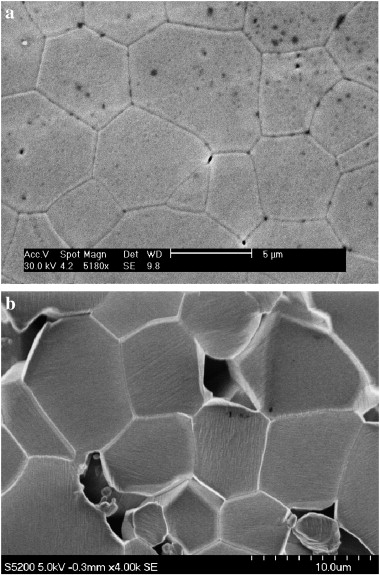
NiO/8YSZ (8 mol% Y 2O 3-stabilized ZrO 2) composites with different NiO contents (10, 20 and 40 mol%) have been fabricated by a conventional route of mechanical mixing of NiO and 8YSZ powders and sintering at 1500 °C for 10 h in air. The resulting microstructures have been characterized by electron microscopy. In 10 and 20 mol% NiO/8YSZ, the composite is formed by isolated NiO particles surrounded by zirconia matrix grains; this phase is interconnected in the 40 mol% NiO/8YSZ composite. Mechanical tests at constant strain rate and at constant load were conducted on these materials at temperatures of up to 1350 °C. Different behaviors were found depending on the percolation of the NiO phase. Microstructural observations after deformation are essential to understand the overall mechanical behavior of the composites.
Samples of β-SiC/Si ecoceramics with a silicon concentration of ∼21 vol % have been prepared using a series of consecutive procedures (carbonization of sapele wood biocarbon, synthesis of high-porosity biocarbon with channel-type pores, infiltration of molten silicon into empty channels of the biocarbon, formation of β-SiC, and retention of residual silicon in channels of β-SiC). The electrical resistivity ρ and thermal conductivity κ of the β-SiC/Si ecoceramic samples have been measured in the temperature range 5–300 K. The values of ρ Si chan(T) and κ Si chan(T) have been determined for silicon Sichan located in β-SiC channels of the synthesized β-SiC/Si ecoceramics. Based on the performed analysis of the obtained results, the concentration of charge carriers (holes) in Sichan has been estimated as p ∼ 1019 cm−3. The factors that can be responsible for such a high value of p have been discussed. The prospects for practical application of β-SiC/Si ecoceramics have been considered.
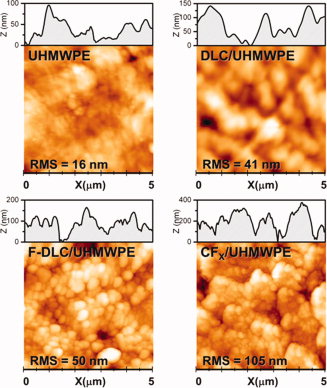
Development of intrinsically antibacterial surfaces is of key importance in the context of prostheses used in orthopedic surgery. This work presents a thorough study of several plasma-based coatings that may be used with this functionality: diamond-like carbon (DLC), fluorine-doped DLC (F-DLC), and a high-fluorine-content-carbon-fluor polymer (CFX). The coatings were obtained by a radio-frequency plasma-assisted deposition on ultra high molecular weight polyethylene (UHMWPE) samples and physicochemical properties of the coated surfaces were correlated with their antibacterial performance against collection and clinical Staphylococcus aureus and Staphylococcus epidermidis strains. The fluorine content and the relative amount of CC and CF bonds were controlled by X-ray photoelectron spectroscopy, and hydrophobicity and surface tension by contact angle measurements. Surface roughness was studied by Atomic Force Microscopy. Additional nanoidentation studies were performed for DLC and F-DLC coatings. Unpaired t test and regression linear models evaluated the adherence of S. aureus and S. epidermidis on raw and coated UHMWPE samples. Comparing with UHMWPE, DLC/UHMWPE was the least adherent surface with independence of the bacterial species, finding significant reductions (p ≤ 0.001) for nine staphylococci strains. Bacterial adherence was also significantly reduced in F-DLC/ UHMWPE and CFx/UHMWPE for six strains. © 2012 Wiley Periodicals, Inc. J Biomed Mater Res Part A 100A:2813–2820, 2012.
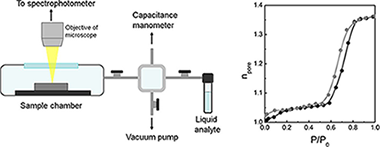
The pore size distribution of mesoporous thin films is herein investigated through a reliable and versatile technique coined specular reflectance porosimetry. This method is based on the analysis of the gradual shift of the optical response of a porous slab measured in quasi-normal reflection mode that occurs as the vapor pressure of a volatile liquid varies in a closed chamber. The fitting of the spectra collected at each vapor pressure is employed to calculate the volume of solvent contained in the interstitial sites and thus to obtain adsorption–desorption isotherms from which the pore size distribution and internal and external specific surface areas are extracted. This technique requires only a microscope operating in the visible range attached to a spectrophotometre. Its suitability to analyze films deposited onto arbitrary substrates, one of the main limitations of currently employed ellipsometric porosimetry and quartz balance techniques, is demonstrated. Two standard mesoporous materials, supramolecularly templated mesostructured films and packed nanoparticle layers, are employed to prove the concept proposed herein.

In this work, the carboxylic acid derivatives of a free-base porphyrin, 5,10,15,20-tetrakis(4-carboxyphenyl)-21H,23H-porphyrin, and 10 of its metal derivatives (TCPPs) have been used for optical gas sensing. For this purpose, microstructured columnar TiO2 thin films prepared by GAPVD (glancing angle physical vapor deposition) have been used as host materials for the porphyrins as they are non–dispersive and porous, allowing their use for UV–visible spectroscopy and gas sensing. The chemical binding between the dye molecules and the TiO2 has been studied through infrared spectroscopy, and the obtained spectral changes have been found to be compatible with chelating and/or bidentate binding modes of the carboxylate groups on the TiO2 surface. When hosted in the film, the UV–visible spectra of the porphyrins featured a blue shift and broadening of the Soret band with respect to the solution, which has been attributed to the formation of π–π aggregates between porphyrin molecules. The composite porphyrin/TiO2 films obtained from each of the 11 porphyrins have been exposed to 12 different volatile organic compounds (VOCs), and their respective gas–sensitive properties have been analyzed as a function of the spectral changes in their Soret band region in the presence of the analytes. The set of composite films has shown high selectivity to the analyzed volatile compounds. For each analyte, an innovative way of showing the different responses has been developed. By means of this procedure, an imagelike recognition pattern has been obtained, which allows an easy identification of every compound. The kinetics of the exposure to several analytes showed a fast, reversible and reproducible response, with response times of a few seconds, which has been attributed to both the sensitivity of the porphyrins and the high porosity of the TiO2 films. Also, increasing concentrations of the analytes resulted in an increase in the magnitude of the response, indicating that the sensor behavior is also concentration-dependent.
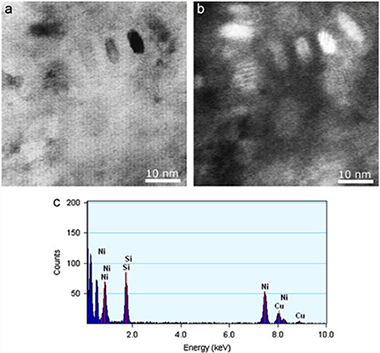
The precipitation processes in a Cu–2.8 at% Ni–1.4 at% Si alloy were studied using differential scanning calorimetry (DSC), transmission electron microscopy (TEM) and microhardeness measurements. The analysis of the calorimetric curves from room temperature to 900 K shows the presence of one exothermic reaction attributed to the formation of δ-Ni2Si particles in the copper matrix that was confirmed by Transmission Electron Microscopy (TEM) and EDS microanalysis. The activation energies calculated for the precipitation of δ-Ni2Si was lower than the ones corresponding to diffusion of nickel and silicon in copper. A correlation between of microhardness of the alloy and the formation of δ-Ni2Si particles has been found.
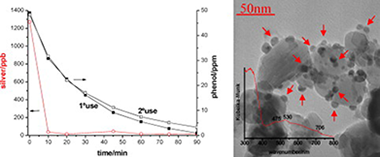
The homemade bare TiO2 photocatalyst obtained in a previous work was modified with nanosized silver particles by liquid impregnation and photodeposition methods to obtain different noble metal loadings (0.3–1 at.%). Characterization of the synthesized photocatalysts was carried out by the BET method, XPS, TEM, SEM-EDX, XRD and diffuse reflectance measurements. Photocatalytic activity of these silver-deposited TiO2 nanoparticles was tested by photocatalytic degradation of phenol as a reference model representing phenolic pollutants. The noble metal content on the TiO2 surface affected the efficiency of the photocatalytic process, and the photocatalytic activity of noble metal-modified TiO2 was considerably better than that of bare TiO2. Phenol decomposition rate was higher with TiO2 modified by the liquid impregnation method than with TiO2 modified by the photodeposition method.
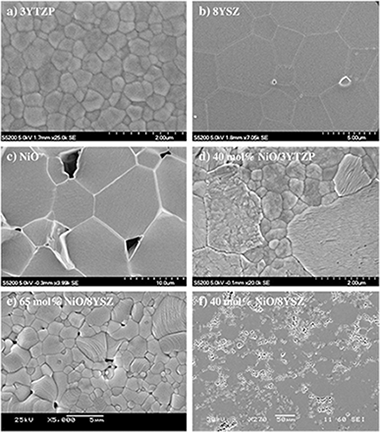
NiO/8YSZ (8 mol% Y2O3-stabilized cubic ZrO2) and NiO/3YTZP (3 mol% Y2O3-stabilized tetragonal ZrO2) composites with different NiO contents have been fabricated by a conventional route of mechanical mixing of NiO and zirconia powders and sintering at 1500 °C for 10 h in air. The resulting microstructures have been characterized by electron microscopy. The composites show a duplex microstructure formed by equiaxed grains of NiO and ZrO2, without any intermediate phase. Compressive mechanical tests at constant strain rate were carried out at temperatures between 1150 and 1350 °C under different environments: air, inert (Ar) and reducing (5% H2/95% Ar) atmospheres. The overall creep behavior of the composites is essentially controlled by the zirconia matrix, due to the softness of the NiO phase in the experimental conditions used in this study. The creep strength is not affected by oxygen partial pressure. However, a large decrease in creep resistance under reducing conditions was observed in samples submitted to in situ redox cycling.
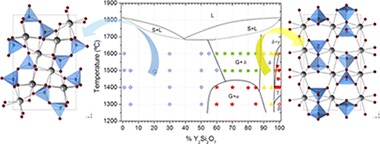
High resolution synchrotron powder XRD, 89Y CPMG NMR, and 139La MAS NMR spectroscopy have been applied to eventually draw the phase diagram of the La2Si2O7–Y2Si2O7 system. The diagram presents a solid solubility region of G-(La,Y)2Si2O7, which extends to the La0.9Y1.1Si2O7 composition at any temperature of this study. Compositions richer in Y show two-phase domains, with G + α at T < 1450 °C and G + δ at T > 1450 °C. The Y-rich extreme is more complex, showing two solid solution regions of δ- and γ-(La,Y)2Si2O7 polymorphs which appear with increasing Y content, respectively. It is interesting to note that the La for Y substitution mechanism in the G-(La,Y)2Si2O7 polymorph is not homogeneous, but a preferential occupation of Y for the RE2 site is observed. Finally, the 89Y and 139La isotropic chemical shift values in G-(La,Y)2Si2O7 have been described here for the first time and assigned to the different RE crystallographic sites of the unit cell.
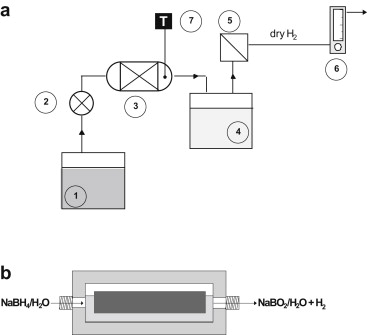
A system with a continuous reactor to produce hydrogen by sodium borohydride hydrolysis was designed and built. The purpose was to test a supported Co–B catalyst durability upon cycling and long life experiments in high conversion conditions. A Stainless Steel monolith was built and calcined to improve adherence. For comparison a Ru–B catalyst was tested upon cycling. Both Co–B and Ru–B catalysts are durable during 6 cycles and then deactivate. A known reactivation procedure has proven to be more effective for the Co–B than for the Ru–B catalyst. This is related to stronger adsorption of B–O based compounds on the Co–B catalyst which is reversible upon acid washing. For the Ru–B catalyst deactivation may be more related to particle agglomeration than to the adsorption of B–O based species. The continuous system enlarges the catalysts durability because of the continuous borate elimination at elevated temperatures.
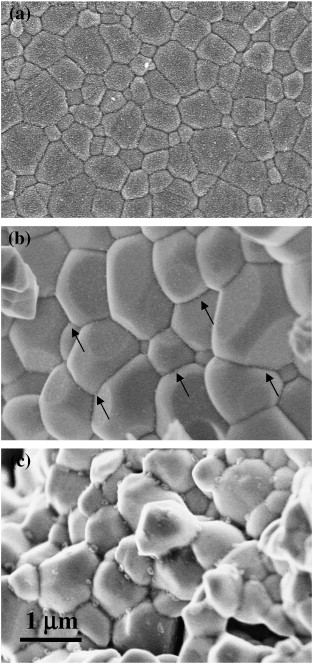
The enhanced proton conductivity exhibited by trivalent cation-doped barium cerate perovskites makes these materials excellent candidates for electrochemical applications, in particular as electrolytes for solid oxide fuel cells. These devices operate at elevated temperatures, where creep and other deformation processes influence the overall efficiency and lifetime. In this work, the high-temperature plastic deformation mechanisms of fine-grained 5 at.% Yb-doped BaCeO3 polycrystals produced by conventional solid-state reaction has been investigated by means of compressive tests at constant load between 1150 and 1250 °C in air. The creep curves show an unusual sigmoidal behavior, followed by extended steady states of deformation. Grain boundary sliding is the main deformation mechanism, characterized by a stress exponent n of 2, as found in other fine-grained superplastic ceramics and metals.
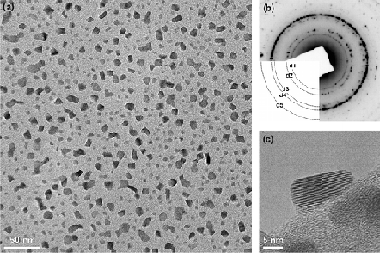
Mechanochemical synthesis of bismuth selenides (BiSe, Bi 2Se 3) was performed by high-energy milling of bismuth and selenium powders in a planetary ball mill. The particle size distribution and the specific surface area of Bi/Se and 2Bi/3Se powder mixtures were analysed at increasing milling time. The products were characterized by X-ray diffraction, differential scanning calorimetry and transmission electron microscopy. The presence of bismuth selenide phases was observed after only 1 min of milling and full conversion into hexagonal BiSe phase (nevskite) and rhombohedral Bi 2Se 3 phase (paraguanajuatite) was reached after 10 min of milling. The nanocrystalline nature of both mechanochemically synthesised bismuth selenides was confirmed and their optical band gap energies were obtained on the basis of the recorded absorption spectra in UV-Vis spectral region.
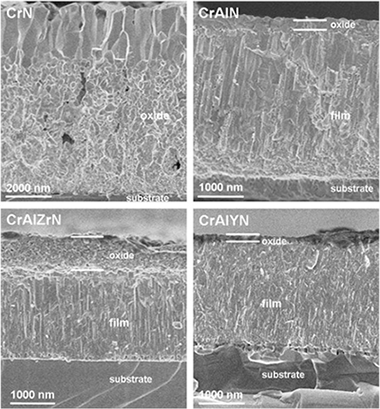
Magnetron sputtered chromium aluminium nitride films are excellent candidates for advanced machining and protection for high temperature applications. In this work CrAlN-based coatings including Y or Zr as dopants (≈ 2 at.%) are deposited by d.c. reactive magnetron sputtering on silicon substrates using metallic targets and Ar/N2 mixtures. The hardness properties are found in the range of 22–33 GPa with H/E ratios close to 0.1. The influence of the dopant element in terms of oxidation resistance after heating in air at 1000 °C is studied by means of X-ray diffraction (XRD), cross-sectional scanning electron microscopy (X-SEM) and energy dispersive X-ray analysis (EDX). The microstructure and chemical bonding are investigated using a transmission electron microscope (TEM) and electron energy-loss spectroscopy (EELS) respectively. The improvement in oxidation resistance as compared to pure CrN coating is manifested in the formation of a Al-rich outer layer that protects the underneath coating from oxygen diffusion. The best performance obtained with the CrAlYN film is investigated by in situ annealing of this sample inside the TEM in order to gain knowledge about the structural and chemical transformations induced during heating.
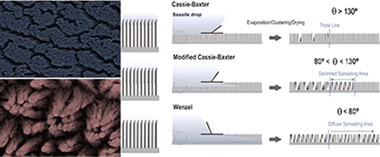
This article aims toward a full description of the wetting conversion from superhydrophobicity to superhydrophilicity under illumination with UV light of high-density ZnO nanorods surfaces by (i) following the evolution of the clusters and superstructures formed by the nanocarpet effect as a function of the water contact angle (WCA); (ii) characterization of the superhydrophobic and superhydrophilic states with an environmental scanning electron microscope (ESEM); and (iii) using the nanocarpet effect as a footprint of both local and apparent water contact angles. Thus, the main objective of the article is to provide a general vision of the wettability of 1D photoactive surfaces. In parallel, the nanocarpet (NC) formation by clustering of vertically aligned ZnO nanorods (NR) when water is dripped on their surface and then dried is studied for the first time by taking advantage of the possibility of tuning the surface water contact angle of the ZnO NR structure under UV preillumination. As a result, we demonstrate the feasibility of controlling the size and other morphological characteristics of the NCs. Moreover, a strong anisotropic wetting behavior, characterized by a Δθ = θ – θ = 30°, is shown on an asymmetrically aligned NC surface resulting from arrays of tilted NRs. The study of the condensation/evaporation of water on/from an as-prepared (superhydrophobic) or a preilluminated (superhydrophilic) NR surface examined by an environmental scanning electron microscope has evidenced the formation of supported water droplets with polygonal shapes in the first case and the complete filling of the inter-NR space in the latter. The long-term stability of the NC clusters has been utilized as a footprint to track the penetration depth of water within the inter-NR space in the three borderline regions of water droplets. This analysis has shown that for moderately hydrophobic surfaces (i.e., water contact angles lower than 130°) water droplets do not present a well-defined borderline trace but a spreading region where water penetrates differently with the NR interspace. The transition from a Cassie–Baxter to a modified Cassie–Baxter to finish in a Wenzel wetting state is found on these surfaces depending on the UV preillumination time and is explained with a model where water interaction with the NR units is the critical factor determining the macroscopic wetting behavior of these surfaces.
Protective nanocomposite coatings based on hard ceramic phases (TiC, TiB2) combined with amorphous carbon (a-C) are of interest because of their adequate balance between mechanical and tribological performances. In this work, Ti–B–C nanocomposite coatings were prepared by co-sputtering of graphite and TiB2 targets. Varying the discharge power ratio applied to the graphite and TiB2 targets from 0 to 2, the a-C content in the coatings could be tuned from 0 to 60%, as observed by means of Raman and x-ray photoelectron spectroscopy (XPS). The microstructural characterization demonstrated a progressive decrease in crystallinity from an initial nanocrystalline (nc) TiB2-like structure to a distorted TiBxCy ternary compound with increasing C concentration. X-ray absorption near-edge structure measurements on the B K-edge helped to determine a hexagonal arrangement around the B atoms in the ternary TiBxCy phase. A fitting analysis of the C 1s XPS peak allowed us to evaluate the relative amount of a-C and TiBxCy components. A drastic change in hardness (from 52 to 13 GPa) and friction coefficient values (from 0.8 to 0.2) is noticed when moving from nc-TiB2 to TiBC/a-C nanocomposites. The fraction of a-C necessary to decrease the friction below 0.2 was found to be 45%. Raman observation of the wear tracks determined the presence of disordered sp2-bonded carbon phase associated with the diminution of the friction level.

Prof. Andrés Ortega passed away on last January after a painful and long illness. He was Professor of Inorganic Chemistry at the University of Seville (Spain) and was an outstanding researcher in the field of solid state reaction kinetics, an area to which he devoted his entire career since 1983, when he submitted his PhD thesis entitled ‘Critical study of non-isothermal methods for the kinetic analysis of solid-state reactions’. During his post doc stage and collaboration with Prof. Jean Rouquerol, his interest was raised by the Sample Controlled Thermal Analysis (SCTA) technique and its application to the kinetic study of solid state reactions, this latter one developed in Seville along with Prof. José Manuel Criado. A paper from this period should be highlighted: ‘Correlation between the shape of controlled-rate thermal analysis curves and the kinetics of solid-state reactions’ [Thermochimica Acta 157 (1990) 171], the most cited one in his research career. Most of his scientific production was published in Thermochimica Acta and in the Journal of Thermal Analysis and Calorimetry. A tireless professional, he remained active until a few weeks before dying. Being seriously ill he developed a method for the kinetic analysis of reactions with variable activation energies that notably simplifies the previous one proposed by Vyazovkin. The results were published in Thermochimica Acta under the title ‘A simple and precise linear integral method for isoconversional data’ [Thermochim. Acta 474 (2008) 81]. The high number of citations of this article – according to the ISI WEB of Knowledge – in spite of the short time elapsed since it was published reveals its impact within the scientific community.
He was also very much involved in teaching duties, developing new subjects and applying new teaching methodologies. He chaired two important academic positions at the University of Seville related to his works on teaching and educational sciences, as Director of the Institute of Educational Science and as Chairman of the Committee on Education of the University.
Though he sometimes appeared to be reserved, Andrés was a kind man, always ready to help in any problem that was presented to him. With a critical attitude and many cultural interests, he had a vast knowledge and a great ability to interpret the most diverse questions, frequently presenting a reasoning alternative to those commonly established. This was a continuous source of enrichment for both his friends and colleagues, who never will forget him.
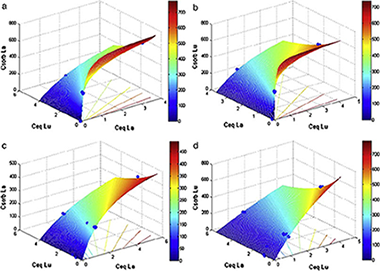
The sorption of La and Lu mixtures was examined in two bentonites after incubation for three months at 20 and 80 °C with Fe(0), as a laboratory approach to evaluate the effects of waste canister corrosion in a deep repository on the performance of clay engineered barriers. The sorption/desorption parameters were determined from batch tests in two ionic media: deionized water and, to consider the additional effect of cement leachates, 0.02 mol L− 1 Ca.
Results from XRD analyses showed the formation of crystalline FeO(OH), goethite, in a few samples and the degradation of the bentonites due to Fe(0) oxidation during incubation. Moreover, the EDX spectra showed that the lanthanides were sorbed primarily at smectite sites, although sorption onto goethite was also observed, whereas Fe(0) particles did not contribute to lanthanide sorption. The formation of goethite could explain the high Kd values measured in a few scenarios (e.g., those with single solutions or mixtures with the lowest initial concentration of the competitive lanthanide in which high affinity sites governed sorption), with up to 3-fold increases over the values obtained without Fe incubation. However, at higher lanthanide concentration, Kd values decreased or remained constant compared to the samples without Fe incubation, which could be explained by bentonite degradation. In the Ca medium, as much as 5 times lower Kd values were obtained, because of the competitive effect of the Ca ions, especially for Lu in the MX80 bentonite. This indicated that the small number of high affinity sites had been diminished.
The sorption data were satisfactorily fitted to a two-solute Langmuir model. In addition, Kd values correlated well with desorption data, which showed that the larger the decrease in Kd, the larger the increase in sorption reversibility. It is suggested that corrosion products from the metal canister might compromise the long-term radionuclide retention of the clay-engineered barriers.
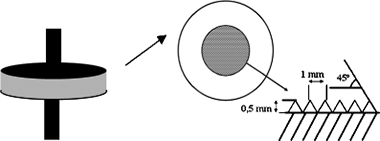
Ionic liquids (ILs) have been recently proposed as carrier for magnetorheological (MR) fluids. Their special properties, such as very low vapor pressure and high thermal stability, make ILs highly suitable dispersion media to increase the broad range of technological applications that magnetorheological fluids already have. It has been just reported that using ILs as carriers in MR fluids an improvement in the colloidal stability and suspension redispersibility is obtained. In this work, the magnetorheological behavior of highly concentrated suspensions in ILs is studied. Two kinds of suspensions were analyzed: using an ionic liquid of low conductivity and a mineral oil as carriers. In both cases, silica-coated iron microparticles were used as solid phase, being the solid volume concentration of 50% vol. A complete magnetorheological analysis focused on the wall slip phenomenon was performed. Steady-state and oscillatory experiments were carried out. In order to study wall slip effects, all experiments were performed with a plate-plate system, using both smooth and rough measuring surfaces. A significant effect of wall slip was observed when the experiments were performed using smooth surfaces. The novelty of this paper is mainly based on (1) the use of an ionic liquid as carrier to prepare magnetic suspensions, and (2) the analysis of wall slip phenomena in MR fluids with a particle content close to the maximum packing fraction.
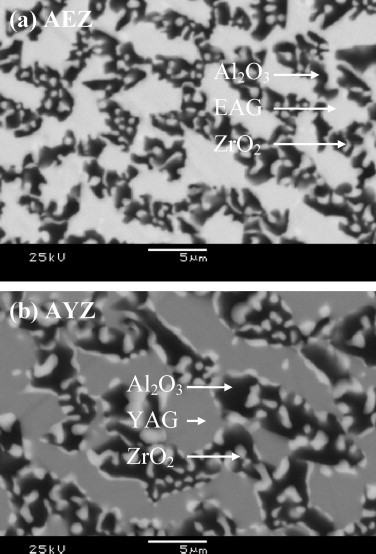
The microstructural and high-temperature mechanical characteristics of directionally solidified rods of Al2O3–Er3Al5O12–ZrO2 ternary eutectic oxides processed by the laser-heated floating zone method at different growth rates have been investigated. The eutectic microstructure displayed an entangled three-dimensional network of Al2O3 and Er3Al5O12 phases of similar sizes, elongated along the growth direction; the minority zirconia phase formed small fibers into the alumina phase. The interphase spacing is reduced with increasing solidification rate, changing about 2 μm down to 200 nm. These microstructural features are essentially the same exhibited by Al2O3–Y3Al5O12–ZrO2 composites processed by the same technique. Compressive deformation tests performed at 1400 °C at constant strain rate showed that the creep resistance decreased when increasing the growth rate due to the refinement of the microstructure.
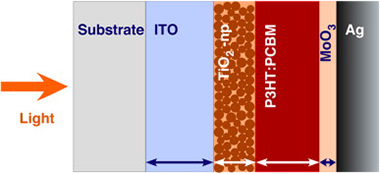
We demonstrate experimentally that an appropriate combination of the layer thicknesses in an inverted P3HT:PCBM cell leads to an optical interference such that the EQE amounts to 91% of IQE. We observe that reflectivity between layers is minimized in a wavelength range of more than 100 nm. In that range the EQE closely matches the IQE. The role played by the optical interference in improving the performance of the fabricated solar cells is confirmed by EQE calculated numerically using a model based on the transfer matrix method. Additionally, we observed that a similar cell with an active material 1.7 times thicker exhibited a lower PCE. The poor photon harvesting in the later cell configuration is attributed to an EQE that amounts only to 72% of the IQE.
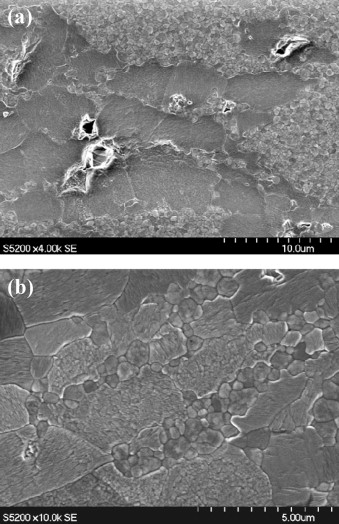
NiO/3YTZP (3 mol% Y2O3-stabilized tetragonal ZrO2) composites with 40 mol% NiO (26 vol% NiO) have been fabricated by mechanical mixing of NiO and 3YTZP powders and sintering at 1500 °C for 10 h in air. The resulting microstructures have been characterized by electron microscopy. Compressive mechanical tests at constant strain rate were conducted on these materials at temperatures between 1150 and 1350 °C in air. The σ–ɛ curves display extended secondary creep regimes without signals of macroscopic failure. The composite creep behavior is characterized by a stress exponent n = 2 and an activation energy for flow Q = 490 kJ/mol. The overall creep behavior of the composites is essentially controlled by the zirconia matrix, due to the softness of the NiO phase in the experimental conditions used in this study.
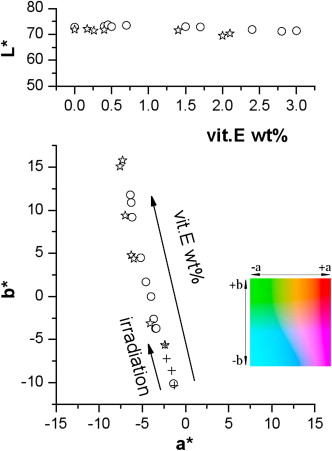
Colour analysis appears to be a robust technique for characterizing vitamin E doping and gamma irradiation of medical grade polyethylene samples. The analysis procedure described in this paper is of great interest because it can easily distinguish between polyethylene samples with differences in vitamin E (α-tocopherol) doping of about 0.1 wt% and gamma irradiation doses of 30 kGy. It is found that the colour differences (with respect to untreated samples) induced by gamma irradiation and/or vitamin E doping add-up linearly. This method for detecting the presence of vitamin E is fast, simple and non-destructive.
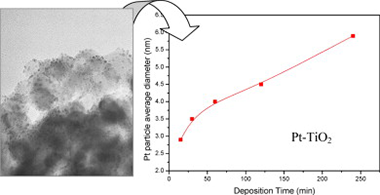
The influence of Pt features, such as particle size, dispersion, oxidation state and amount of metal, on the improvement of the photoactivity of TiO2 for phenol and methyl orange degradation was studied.
The size of Pt deposits was precisely controlled by changing deposition time under medium light intensity during the photodeposition, with sizes ranging from 3 to 6 nm. Pt oxidation state was also strongly dependent on the photodeposition time.
Photocatalytic activity results showed that the fraction of metallic platinum (Pt0) was the crucial factor for the improvement of the activity. When the fraction of Pt0 was similar, metal deposit size became the dominant parameter influencing the activity.
The influence of the substrate to be degraded (phenol or methyl orange) was also studied.
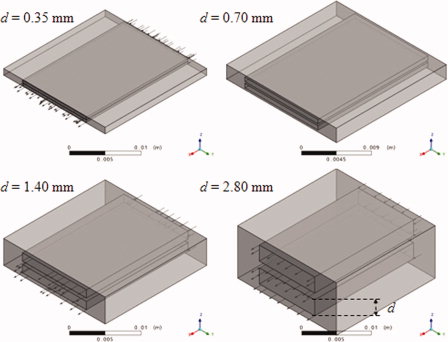
A three-dimensional computational fluid dynamics study of the steam methane reforming (SMR) in microreactors is presented. Emphasis has been made on investigating the effects of the characteristic dimension (d: 0.35, 0.70, 1.40, and 2.80 mm) on the performance of two microreactor geometries: square microchannels and microslits. Results have shown that for both geometries the SMR conversion decreases markedly as d increases. Conversely, the microchannels provide a methane conversion slightly higher than that of the microslits. The different performance of the microreactors is only partially due to the different surface-to-volume ratio. Pronounced transverse temperature and concentration gradients develop as the characteristic dimension increases especially for microslits in the first half of the reactor. Therefore, external transport limitations can affect the performance of microreactors for SMR, although the characteristic dimensions are of the order of very few millimeters.
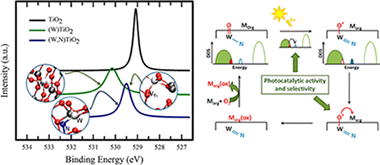
Photoselective oxidation yielding high-added value chemicals appears as a green novel process with potential to be explored. In this study we combine spectroscopic XPS (N 1s and O 1s) and multiwavelength Raman data with density functional theory calculations to explore the structural and electronic properties of W,N-codoped TiO2 anatase surfaces and interpret the outstanding photocatalytic properties of such a system in partial oxidation reactions. Theoretical calculations allow us to examine several substitutional and N-interstitial configurations at different concentrations of the W,N dopants (similar to those experimentally found), as well as their interaction with structural point defects: Ti cation vacant sites and surface wolframyl species that are required to compensate the extra charge of the W6+ and N-containing anions. The joint use of theoretical and experimental XPS and Raman tools renders key structural information of W,N-codoped microcrystalline TiO2 solids. The incorporation of N at substitutional positions of anatase with the concomitant presence of W═O species introduces localized states in the band gap, a result that is critical in interpreting the chemical behavior of the solids. The combination of the electronic and geometric structural information leads to a simple mechanism that rationalizes the experimentally observed photoactivity and selectivity in partial oxidation reactions.
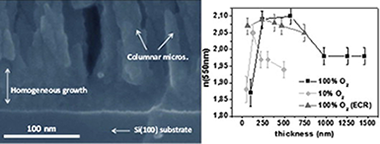
This work reports on the porosity and refraction index of TiO2 thin films as a function of the film thickness. Samples were fabricated by plasma enhanced chemical vapor deposition (PECVD) in a microwave electron cyclotron resonance (MW-ECR) reactor at room temperature using titanium tetra-isopropoxide (MP) as precursor. Experimental parameters such as plasma gas composition (pure oxygen and argon/oxygen mixtures) and pressure (either ECR conditions or "normal" pressure, i.e. 10(-4) or 10(-3) torrs correspondently) were varied. The evolution of the thin film microstructure, porosity and optical properties is critically studied by AFM, SEM, water adsorption isotherms, ellipsometry and UV-Vis transmittance and the existence of a certain critical thickness (t(c)) demonstrated. The porosity of the films with thicknesses ranging from several tens of nanometers up to half a micrometer is evaluated by QCM-isotherms at room temperature. The dependency of this critical thickness with the plasma conditions is evaluated experimental and theoretically. Thus, the microstructure change at t(c) is attributed to a transition from a surface diffused dominated growth mechanism for t < t(c) to another where shadowing is predominant. Dynamic scaling analysis of the two regimes and their Monte Carlo simulation complete the reported study.
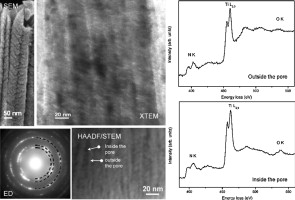
Ti1−xAlxN thin films with different Al content were deposited by magnetron sputtering. The combination of electron energy loss spectroscopy (EELS) and energy dispersive spectroscopy (EDS) was used to evaluate the composition of the coatings. The effect of Al content on the morphology and properties of the coatings was investigated. High resolution electron microscopy and related techniques revealed the formation of a pillared moth-eye-like nanostructure with variable size and distribution of meso- and nano-columns and different degree of open porosity that depends on the Al content on the coating. For low Al content (x ≤ 0.21) c-(Ti,Al)N highly porous columns ending in a sharp pyramidal shape present low reflectivity and high hydrophobicity. While the precipitation of h-AlN phase at the column boundaries for x = 0.71 suppresses the c-(Ti,Al)N columnar growth and produces a smother surface, with higher reflectivity and less hydrophobic character.
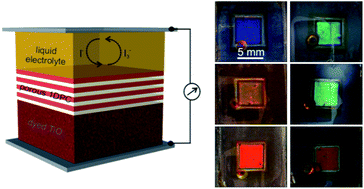
Herein we analyze experimentally the effect that introducing highly reflecting photonic crystals, operating at different spectral ranges, has on the conversion efficiency of dye sensitized solar cells. The interplay between structural colour and cell performance is discussed on the basis of the modified spectral response of the photogenerated current observed and the optical characterization of the cells. We demonstrate that, with the approach herein discussed, it is possible to achieve relatively high efficiencies using thin electrodes while preserving transparency. At the same time, the appearance of the device can be controllably modified, which is of relevance for their potential application in building integrated photovoltaics (BIPV) as window modules.
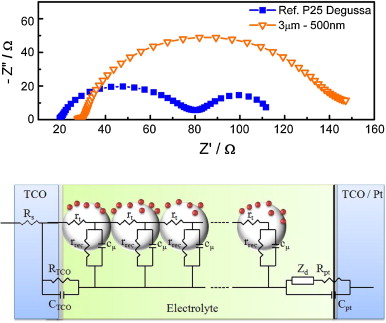
Dye solar cells consisting of mesoporous TiO 2 nanocolumnar films sensitized with a highly absorptive indoline dye were studied to estimate the charge collection efficiency provided by porous 1-dimensional (1-D) nanostructures in combination with viscous, fast-recombining electrolytes. The TiO 2 mesoporous nanostructured films were prepared by physical vapor deposition at glancing incidence (GLAD-PVD). Electrochemical Impedance Spectroscopy (EIS) in the dark was utilized to extract the transport and recombination properties of the fabricated devices. Due to their high porosity, the TiO 2 nanocolumnar electrodes incorporated a dye amount similar to that admitted by nanoparticulated electrodes with higher thickness. This fact, together with the longer lifetimes of electrons obtained for the GLAD-PVD electrodes, lead to an overall improvement of the charge collection and photovoltaic properties with respect to randomly packed electrodes. Measured diffusion lengths were improved by a factor between 2 and 3 with respect to the disordered nanostructure. The present results demonstrate the capability of partially ordered nanostructures to improve charge collection in devices constructed with fast-recombining electrolytes.
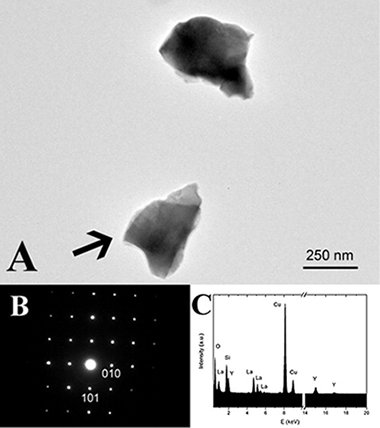
Phase transitions in LaYSi 2O 7 have been investigated as a function of temperature using XRD, NMR and TEM. Previously described empirical crystal structure guidelines based on average cation radius in rare-earth RE 2Si 2O 7-type disilicates predict a stable tetragonal A-LaYSi 2O 7 polymorph at temperatures below 1500°C. This study demonstrates that A-LaYSi 2O 7 is not thermodynamically stable at these temperatures and suggests that guidelines based on average cation size do not accurately describe the equilibrium behaviour of this silicate system. The A to G-type polymorph transition is extremely sluggish; complete transformation requires ~250h at 1200°C, and more than 3 weeks of calcination at 1100°C. This observation is important when this type of material is used as environmental barrier coating (EBC) of advanced ceramics. Analysis of XRD and TEM data reveal complete substitution of Y and La on the rare-earth cation sites in both LaYSi 2O 7 polymorphs, but indicate preferential site occupancies in the G-type polymorph.
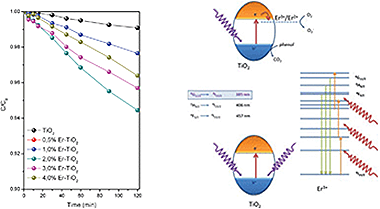
Er3+–TiO2 synthesized by a surfactant free hydrothermal method exhibits good photoactivities under sun-like excitation for the degradation of phenol. The presence of Er3+ does not affect the structural and morphological features of the TiO2 significantly. The best photocatalytic performance was attained for the samples with 2 wt% of Er. Different photocatalytic runs indicated that the incorporation of the Er3+ cation would be responsible for the enhanced photocatalytic activity, which participates in different mechanisms under UV and NIR excitation.
There is a growing interest in nanoparticles as carriers of chemotherapeutic agents in order to improve their administration and minimize their side effects. Despite the fact that silver nanoparticles can be conjugated to therapeutic agents, offering additionally advantages due their unique and tunable optical properties, few examples have been described yet.
Silver nanoparticles are emerging as a powerful tool in bioimaging applications owing to their unique plasmonic properties i.e., extremely high molar extinction coefficients, resonant Rayleigh scattering and enhanced local electromagnetic fields. Through the optimization of these properties, by controlling composition, size, shape, and interparticle spacing of nanoparticles and their assemblies, highly enhanced local electromagnetic fields in the vicinity of nanoparticles are achievable giving rise to IR, Raman and fluorescence surface enhanced spectroscopies (SEIRS, SERS and MEF, respectively).
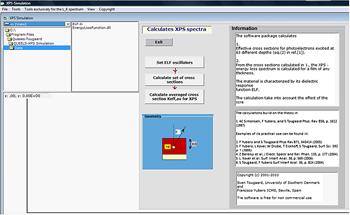
We report on a new software package that allows to calculate the energy loss processes in a photo- and Auger electron spectrum. The calculations are performed within our previously published semiclassical dielectric response model. The model takes into account energy loss, which takes place because of the sudden creation of the static core hole and as the photoelectron travels in the bulk, passes the surface region and continues in the vacuum where it interacts with its image charge before it ends up in the electron spectrometer. It is a one-step model, which includes interference effects between these excitations. The only input in the calculations is the dielectric function of the material. We discuss the capabilities of the software and illustrate some examples of its practical application, including comparison with experimental spectra. We hope the software will be useful for the investigations of fundamental excitation mechanisms in XPS and AES. The software is free for noncommercial use.
The electrical resistivity and thermal conductivity of high-porosity (~52 vol %, channel-type pores) bio-SiC samples prepared from sapele wood biocarbon templates have been measured in the temperature range 5-300 K. An analysis has been made of the obtained results in comparison with the data for bio-SiC samples based on beech and eucalyptus, as well as for polycrystalline β-SiC. The conclusion has been drawn that the electrical resistivity and thermal conductivity of bio-SiC samples based on natural wood are typical of heavily doped polycrystalline β-SiC.
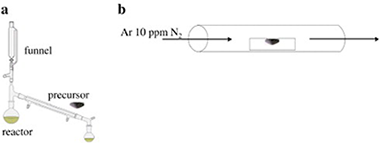
At room temperature diluted TiCl4 and CCl4 were reduced by sodium particles and mixed with a polycarbomethylsilane (PCS) solution to yield a precursor. It was dried and subsequently annealed at 1300 °C, 1400 °C and 1450 °C in a tube furnace using argon with 10 ppm N2. After the 1450 °C annealing a nanocrystalline powder of TiC0.5N0.5–SiC polyhedron and elongated crystals was obtained. At the low nitrogen concentration during annealing a gradual nitration is proposed. It is promoted by carbon gaseous species, precursor oxidation, a sufficient temperature and a summarised nitrogen surplus compared to the titanium and carbon amount.
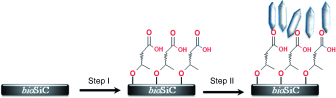
Porous biomorphic silicon carbide (bioSiC) is a structurally realistic, high-strength, and biocompatible material which is promising for application in load-bearing implants. The deposition of an osteoconductive coating is essential for further improvement of its integration with the surrounding tissue. A new strategy towards biomimetic calcium phosphate coatings on bioSiC is described. X-ray photoelectron spectroscopy (XPS) analysis shows that using 10-undecenoic acid methyl ester a covalently bound monolayer can be synthesized on the surface of the bioSiC. After hydrolysis it exposes carboxylic acid groups that promote the selective nucleation and growth of a very well-defined crystalline layer of calcium phosphate. The resulting calcium phosphate coating is characterized by X-ray diffraction and electron microscopy techniques. Further, ion beam imaging is employed to quantify the mineral deposition meanwhile, three-dimensional dual-beam imaging (FIB/SEM) is used to visualize the bioSiC/mineral interface. The monolayer is show to actively induce the nucleation of a well-defined and highly crystalline mixed octacalcium phosphate/hydroxyapatite (OCP/HAP) coating on implantable bioSiC substrates with complex geometry. The mild biomimetic procedure, in principle, allows for the inclusion of bioactive compounds that aid in tissue regeneration. Moreover, the mixed OCP/HAP phase will have a higher solubility compared to HAP, which, in combination with its porous structure, is expected to render the coating more reabsorbable than standard HAP coatings.
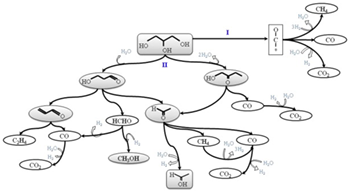
The production of hydrogen by glycerol steam reforming was studied using CeZr(Co, CoRh) catalysts. The effect of Co and Rh presence on the properties of the mixed oxides and the effect on the catalytic behavior were considered. The catalysts were characterized before and after testing by XRD, Raman, TPR, H 2-TPD, TPD-TPO and HRTEM. It was observed that the presence of Co allowed the selective H 2 production related with the presence of a metallic phase at the beginning of the reaction. The presence of Rh favored even more the H 2 production and also increased the stability of the catalyst. For CeZrCoRh, the presence of both metals enhanced the catalyst reduction capacity, a characteristic that significantly improved the catalytic behavior for glycerol steam reforming. The selective H 2 production was related to the capacity of the catalyst to activate H 2O under the reaction conditions. The progressive loss of this capacity decreases the production of H 2, and glycerol decomposition is actually favored over glycerol steam reforming. According to the initial distribution of products, and its evolution with time on stream, two main reaction pathways were proposed.
Au/TiO2 photocatalysts were used in ethanol oxidative dehydrogenation. Catalysts at gold loading ranging between 0.5-2 wt.% were synthesized by photodeposition (using different deposition times: 15 and 120 min) over an own-prepared TiO2 by sol-gel method. For reference purposes, a commercial 1 wt.% Au/TiO2 catalyst (AUROlite (TM), Strem Chemicals) was also tested. Photocatalytic reactions were carried out in a gas-solid photocatalytic fluidized bed reactor. Catalytic activity depends strongly both on Au loading and on the material properties, such as particle size and distribution of metal on titania surface. Acetaldehyde was the main reaction product, with ethylene, crotonaldehyde and CO2 as by-products. An important improvement of TiO2 photoactivity was achieved for the catalyst with 0.5 wt.% gold prepared with 120 min deposition time. For an ethanol inlet concentration of 0.2 vol% at 60 degrees C, the maximum conversion and acetaldehyde selectivity were 82% and 95%, respectively. These values are considerably higher than those obtained over pristine TiO2 and over the commercial catalyst.
CdSe@ZnS nanocrystals have been prepared by a two-step solid state mechanochemical synthesis. CdSe prepared from elements in the first step is mixed with ZnS synthesized from zinc acetate and sodium sulfide in the second step. The crystallite size of the new type CdSe@ZnS nanocrystals determined by X-ray diffraction Rietveld refined method was 35 nra and 10 Jam for CdSe and ZnS, respectively. Energy dispersive/transmission electron microscopy/energy dispersive spectroscopy methods show good crystallinity of the nanoparticles and scanning electron microscopy elemental mapping illustrate consistent distribution of Cd, Se, Zn and S elements in the bulk of samples. UV-VIS spectra show an onset at 320 urn with calculated bandgap 3.85 eV. This absorption arises from the vibration modes of Zn-S bonds. The nanocrystals show the blue shift from the bandgap of bulk ZnS (3.66 eV). The synthesized CdSe@ZnS nanocrystals have been tested for dissolution, cytotoxicity and L-cysteine conjugation. The dissolution of Cd was less than 0.05 mu g mL(-1) (in comparison with 0.8 mu g mL(-1) which was evidenced for CdSe alone). The very low cytotoxic activity for selected cancer cell lines has been evidenced. CdSe@ZnS nanocrystals coated with L-cysteine are water-soluble and have a great potential in biomedical engineering as fluorescent labels.
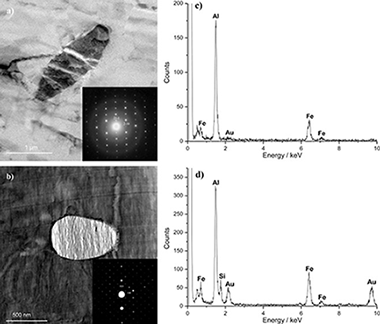
The study investigates the influence of nickel and magnesium additions to AA1050 aluminium alloy on the alloy electrochemical behaviour in sodium hydroxide and hydrochloric solutions under conditions relevant to industries that use alkaline etching as a standard surface treatment procedure and to the lithographic and electronic industries where surface convolution is assisted by pitting in hydrochloric acid. Scanning and transmission electron microscopes were used to characterize the intermetallic particles, and scanning Kelvin probe microscopy was utilised in monitoring the surface potential. Nickel is shown to be incorporated into second phase particles, which mostly consisted of Al3Fe and α-(AlFeSi) phases, resulting in enhanced cathodic activity on the aluminium surface. Consequently, the dissolution rates of the superpure aluminium, alloys without nickel addition and alloy with nickel addition are increased respectively in sodium hydroxide, and increased pitting is respectively promoted in hydrochloric acid. In contrast, the addition of magnesium to the alloy had negligible influence on the etching and pitting behaviour.
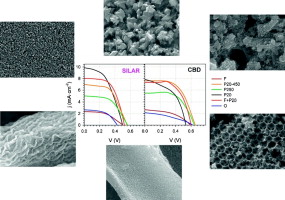
Here we analyze the effect of two relevant aspects related to cell preparation on quantum dot sensitized solar cells (QDSCs) performance: the architecture of the TiO 2 nanostructured electrode and the growth method of quantum dots (QD). Particular attention is given to the effect on the photovoltage, V oc, since this parameter conveys the main current limitation of QDSCs. We have analyzed electrodes directly sensitized with CdSe QDs grown by chemical bath deposition (CBD) and successive ionic layer adsorption and reaction (SILAR). We have carried out a systematic study comprising structural, optical, photophysical and photoelectrochemical characterization in order to correlate the material properties of the photoanodes with the functional performance of the manufactured QDSCs. The results show that the correspondence between photovoltaic conversion efficiency and the surface area of TiO 2 depends on the QDs deposition method. Higher V oc values are systematically obtained for TiO 2 morphologies with decreasing surface area and for cells using CBD growth method. This is systematically correlated to a higher recombination resistance of CBD sensitized electrodes. Electron injection kinetics from QDs into TiO 2 also depends on both the TiO 2 structure and the QDs deposition method, being systematically faster for CBD. Only for electrodes prepared with small TiO 2 nanoparticles SILAR method presents better performance than CBD, indicating that the small pore size disturb the CBD growth method. These results have important implications for the optimization of QDSCs.Elect
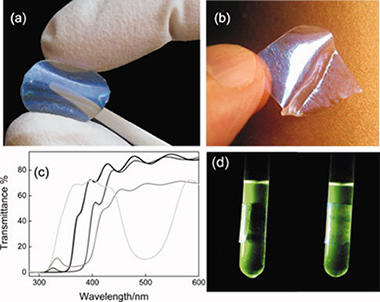
Herein, we present an overview of the most recent achievements and innovations regarding the development of flexible visible transparent films for selective ultraviolet (UV) shielding, with focus on those based on hybrid inorganic-organic materials. The main synthetic paths used nowadays to ensure a high degree of protection are reviewed. Polymers containing organic UV absorbing molecules, hybrid mixtures of polymers and nanoparticles, and the recently introduced series of structures displaying structural color, are identified as the three main types of materials used for this purpose. The use of biocompatible and flexible films to achieve spectrally selective UV protection can find applications in a wide diversity of fields such as photo-treatment of skin diseases, food and beverage packing, and storage of cosmetics. © 2012 Wiley Periodicals, Inc. J Polym Sci Part B: Polym Phys, 2012 In this review, the different approaches taken to obtain flexible and transparent films that block ultraviolet radiation based on the use of hybrid materials are covered. The synthetic pathways that lead to films that can shield against UV radiation either by absorption or by interference are described.
Aluminum incorporation into TiO 2 has been studied in the TiO 2-Al 2O 3 system as a function of pressure at temperatures of 900 and 1300 °C using commercial Al 2TiO 5 nanopowder as starting material. A new orthorhombic TiO 2 polymorph with the CaCl 2 structure has been observed in the recovered samples synthesized from 4.5 to 7 GPa and 900 °C and from 2.5 to 7 GPa at 1300 °C. The phase transition to the α-PbO 2 type TiO 2 phase takes place between 7 and 10 GPa at both temperatures. Two mechanisms of Al incorporation in TiO 2 rutile have been observed in the recovered samples. The substitution of Ti 4+ by Al 3+ on normal octahedral sites is dominant at lower pressures. High pressure induces the incorporation of Al 3+ into octahedral interstices of the rutile structure, which is responsible for an orthorhombic distortion of the TiO 2 rutile structure and gives rise to a (110) twinned CaCl 2 type structure. This phase is probably a result of temperature quench at high pressure. Aluminum solubility in TiO 2 increases with increasing pressure. TiO 2 is able to accommodate up to 9.8 wt% Al 2O 3 at 7 GPa and 1300 °C. Temperature has a large effect on the aluminum incorporation in TiO 2, especially at higher pressures. High pressure has a strong effect on both the chemistry and the microstructure of Al-doped TiO 2. Enhanced aluminum concentration in TiO 2 rutile as well as TiO 2 grains with a microstructure consisting of twins are a clear indication of high-pressure conditions.

The influence of the Co 3O 4 morphology on its redox behavior and catalytic performance in the CO oxidation reaction is studied. Three different Co 3O 4 morphologies were synthesized by precipitation and hydrothermal methods. TEM and SEM observations clearly show the different obtained morphologies: rods, wires and a mixture of plates and cubes. The textural properties depend on the morphology and the redox ones on the particle size. XRD analysis reveals a spinel structure in all solids with a preferential exposition of the [1 1 0] plane in the Co 3O 4 rods sample. This preferential exposition, along with its higher specific surface area provides the rods with more efficient oxygen storage capacity resulting in an excellent catalytic performance compared to the other two morphologies.
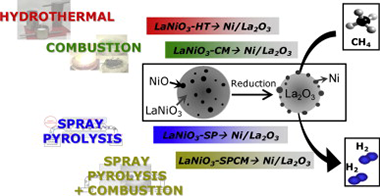
The objective of the present work has been the study of the physico-chemical and catalytic properties of Ni/La2O3 catalysts obtained by reduction of four LaNiO3 samples prepared by different methods. The LaNiO3 precursors as well as the resulting Ni/La2O3 catalysts, were characterized by scanning electron microscopy (SEM), X-ray diffraction (XRD), X-ray absorption spectroscopy (XAS), temperature programmed reduction and oxidation (TPR, TPO). The catalytic performances of these systems for dry reforming of methane (DRM) were also tested. These samples show different physico-chemical properties resulting from the synthesis method used. The XAS and TPR measurements show that in all four LaNiO3 samples there is, in addition of the crystalline LaNiO3 rhombohedrical phase, a significant amount of an amorphous NiO phase, not detectable by XRD but evidenced by XAS. The amount of this NiO amorphous phase seems to play, together with some other microstructural parameters, an important role in the performance of the Ni/La2O3 samples for the DRM reaction.
Single wall carbon nanotube reinforced yttria stabilized zirconia ceramic materials have been obtained by means of spark plasma sintering technique. Single wall carbon nanotubes were treated in an acid solution before mixing with zirconia powders to obtain a uniform distribution of both powders. This method allows obtaining ceramic materials with a grain size between 200 nanometers and 1 micron and with a grain size distribution which depends on processing conditions. This new route opens a new perspective for new ceramic composites tailoring with enhanced mechanical properties as structural materials
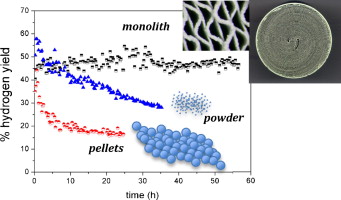
Biomass is an alternative to replace the use of fossil fuels. Glycerol, a byproduct in the biodiesel production, can be used for obtaining hydrogen. The most efficient method for obtaining hydrogen from glycerol is the steam reforming (SR). So far all the published papers report the use of conventional catalyst. In this paper, a structured catalyst has been prepared and compared with the conventional ones (powder and spherical pellets). Results show that the structured catalyst (monolith) is more stable as formation of coke was not observed.
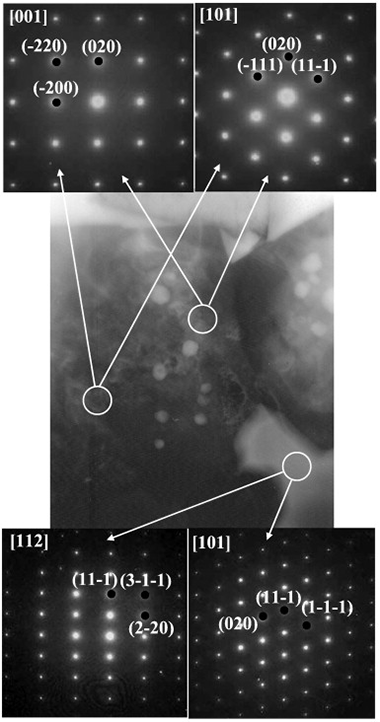
(Ti,Ta)(C,N) solid solution-based cermets with cobalt as the binder phase were synthesised by a two-step milling process. The titanium-tantalum carbonitride solid solution (the ceramic phase) was obtained via a mechanically induced self-sustaining reaction (MSR) process from stoichiometric elemental Ti, Ta, and graphite powder blends in a nitrogen atmosphere. Elemental Co (the binder phase) was added to the ceramic phase, and the mixture was homogenised by mechanical milling (MM). The powdered cermet was then sintered in a tubular furnace at temperatures ranging from 1400°C to 1600°C in an inert atmosphere. The chemical composition and microstructure of the sintered cermets were characterised as ceramic particles grown via a coalescence process and embedded in a complex (Ti,Ta)-Co intermetallic matrix. The absence of the typical core-rim microstructure was confirmed.
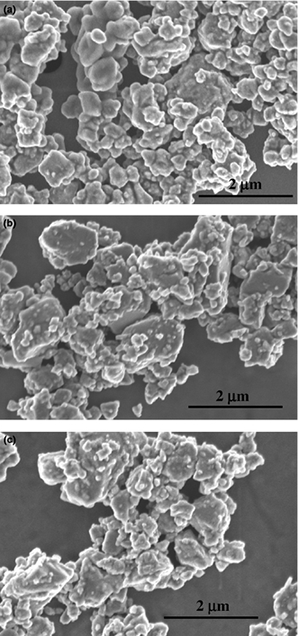
The synthesis of multicomponent ceramic materials in the titanium-diboride-carbide-nitride-carbonitride system by the mechanochemical process known as the mechanically induced self-sustaining reaction (MSR) was investigated. Ceramic composite powders containing TiB 2and TiC, TiN or TiC xN 1-xwere prepared from a blended mixture of the elements by exploiting the highly exothermic nature of the formation reactions. The synthesis of the composite materials was made possible by the ability of the MSR to simultaneously induce independent self-sustaining reactions, generating a mixture of ceramic phases. The composition of the ceramic composites was designed using the initial atomic ratio of the reactants, and the achieved microstructure was characterized by TiB 2particles in the micrometric range, surrounded by submicrometric and nanometric TiC, TiN, or TiC xN 1-xcrystals.
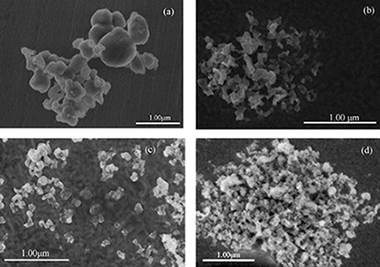
This paper reports an improved procedure for synthesis of silicon carbide nanopowders from silica by carbothermic reduction under fast microwave-induced heating. The powders have been prepared by direct solid-state reaction in a 2.45 GHz microwave field in nitrogen atmosphere after 40 h milling. For the first time, the formation of silicon carbide (beta-SiC) as a major phase can be achieved at 1200 degrees C in 5 min of microwave exposure, resulting in nano sized particles ranging from 10 to 40 nm under optimized synthesis condition. The Rietveld quantitative phase-composition analysis confirmed that the major SiC polytype is cubic SiC (beta-SiC) with 98.5(4) weight fraction and the remained is minor hexagonal SiC polytypic (alpha-SiC) phases. Therefore this method is the most efficient one for SiC powder synthesis in terms of energy and time saving as well as preparation of SiC nano powders.
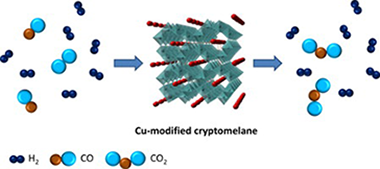
Manganese oxide octahedral molecular sieves (cryptomelane structure) were synthesized by a solvent-free method and tested in the total oxidation of CO (TOX), and preferential oxidation of CO in presence of hydrogen (PROX). The influence of Cu in the cryptomelane structure was evaluated by several characterization techniques such as: X-ray fluorescence (XRF), thermogravimetric analysis (TGA), hydrogen temperature programmed reduction (TPR-H2) and X-ray photoelectron spectroscopy (XPS). The Cu-modified manganese oxide material (OMS-Cu) showed very high catalytic activity for CO oxidation in comparison to the bare manganese oxide octahedral molecular sieve (OMS). The improved catalytic activity observed in OMS-Cu catalyst was associated to a high lattice oxygen mobility and availability due to the formation of Cusingle bondMnsingle bondO bridges. In addition, under PROX reaction conditions the catalytic activity considerably decreases in the presence of 10% (v/v) CO2 in the feed while the same amount of water provokes an improvement in the CO conversion and O2 selectivity.

Chromium incorporation into TiO 2 up to 3 GPa at 1300 °C and 900 °C has been studied by XRD as well as TEM. A CaCl 2 type TiO 2 polymorph has been observed in the quenched samples from high pressure. Two different mechanisms of solubility occur in the recovered samples. Chromium replaces titanium on normal octahedral sites but it also occupies interstitial octahedral sites, especially in the samples recovered from higher pressures. Interstitial chromium is responsible for an orthorhombic distortion of the TiO 2 rutile structure in the quenched samples and gives rise to a (1 1 0) twinned CaCl 2-structured polymorph. This phase is very likely the result of temperature quench at high pressure. The formation of this phase is directly related to the chromium content of the TiO 2 grains. Chromium solubility in TiO 2 increases with increasing the synthesis pressure. TiO 2 is able to accommodate up to 15.3 wt% Cr 2O 3 at 3 GPa and 1300 °C, compared to 5.7 wt% at atmospheric pressure at the same temperature.
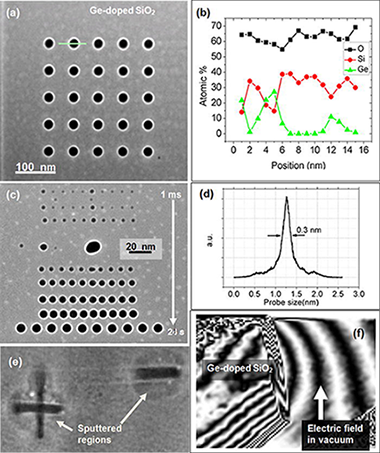
A focused electron beam in a scanning transmission electron microscope (STEM) is used to create arrays of core-shell structures in a specimen of amorphous SiO2 doped with Ge. The same electron microscope is then used to measure the changes that occurred in the specimen in three dimensions using electron tomography. The results show that transformations in insulators that have been subjected to intense irradiation using charged particles can be studied directly in three dimensions. The fabricated structures include core-shell nano-columns, sputtered regions, voids, and clusters.
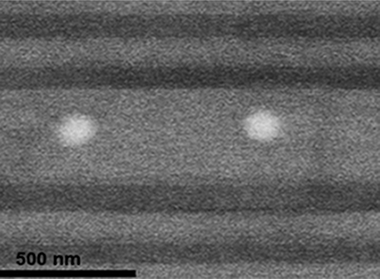
The optical absorption of one-dimensional photonic crystal based resonators containing different types of gold nanoparticles is controllably modified by means of the interplay between planar optical cavity modes and localized surface plasmons. Spin-casting of metal oxide nanoparticle suspensions was used to build multilayered photonic structures that host (silica-coated) gold nanorods and spheres. Strong reinforcement and depletion of the absorptance was observed at designed wavelength ranges, thus proving that our method provides a reliable means to modify the optical absorption originated at plasmonic resonances of particles of arbitrary shape and within a wide range of sizes. These observations are discussed on the basis of calculations of the spatial and spectral dependence of the optical field intensity within the multilayers.
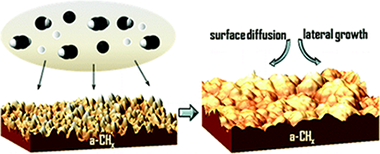
The study of the growth mechanisms of amorphous hydrogenated carbon coatings (a-CH x) deposited by reactive pulsed magnetron discharge in Ar + C 2H 2, Ar + H 2, and Ar + C 2H 2 + H 2 low-pressure atmospheres is presented in this work. Hydrogen-containing species of the reactant gas affect the microstructure and surface properties of the a-CH x thin films. The dynamic scaling theory has been used to relate the main reactive species involved in the deposition process to the growth mechanisms of the thin film by means of the analysis of the roughness evolution. Anomalous scaling effects have been observed in smooth a-CH x coatings. Dynamic scaling exponents α, β, and z indicate a general growth controlled by surface diffusion mechanisms. Hydrogen species have an influence on the lateral growth of the a-CH x coatings and are involved in the development of a polymeric-like structure. Meanwhile, hydrocarbon species promote the generation of higher aggregates, which increases the roughness of a more sp 2 clustering structure of the a-CH x coating.
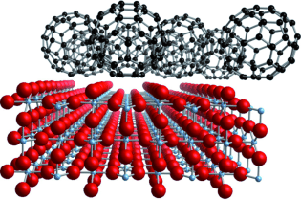
The adsorption of C60, a typical acceptor organic molecule, on a TiO2 (110) surface has been investigated by a multitechnique combination, including van der Waals density functional calculations. It is shown that the adsorbed molecules form a weakly interacting molecular layer, which sits on the fivefold-coordinated Ti that is confined between the prominent bridging oxygen rows (see figure).
Supported ZnO nanorods have been prepared at 405 K by plasma-enhanced chemical vapour deposition (PECVD) using diethylzinc as precursor, oxygen plasma and silver as the promotion layer. The nanorods are characterized by a hollow and porous microstructure where partially percolated silver nanoparticles are located. By changing different deposition parameters like the thickness of the silver layer, the type of oxidation pretreatment or the geometry of the deposition set-up, the length, the width and the tilting angle of the nanorods with respect to the substrate can be modified. Other nanostructures like nanobushes, zigzag linear structures and stacked bilayers with nanocolumns of TiO 2 can also be prepared by adjusting the deposition conditions. A phenomenological model relying on the assessment of the diverse nanostructure morphologies and the evidence provided by an in situ x-ray photoelectron spectroscopy (XPS) experiment has been proposed to describe their formation mechanism. From this analysis it is deduced that the effect of the electrical field of the plasma sheath, the high mobility of silver and silver oxide, and the diffusion of the precursor molecules are some of the critical factors that must converge by the formation of the nanorods.
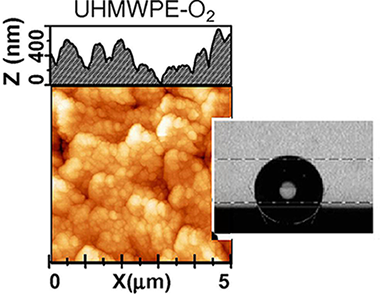
The wetting behavior of fluorocarbon materials has been studied with the aim of assessing the influence of the surface chemical composition and surface roughness on the water advancing and receding contact angles. Diamond like carbon and two fluorocarbon materials with different fluorine content have been prepared by plasma enhanced chemical vapor deposition and characterized by X-ray photoemission, Raman and FT-IR spectroscopies. Very rough surfaces have been obtained by deposition of thin films of these materials on polymer substrates previously subjected to plasma etching to increase their roughness. A direct correlation has been found between roughness and water contact angles while a superhydrophobic behavior (i.e., water contact angles higher than 150° and relatively low adhesion energy) was found for the films with the highest fluorine content deposited on very rough substrates. A critical evaluation of the methods currently used to assess the roughness of these surfaces by atomic force microscopy (AFM) has evidenced that calculated RMS roughness values and actual surface areas are quite dependent on both the scale of observation and image resolution. A critical discussion is carried out about the application of the Wenzel model to account for the wetting behavior of this type of surfaces.
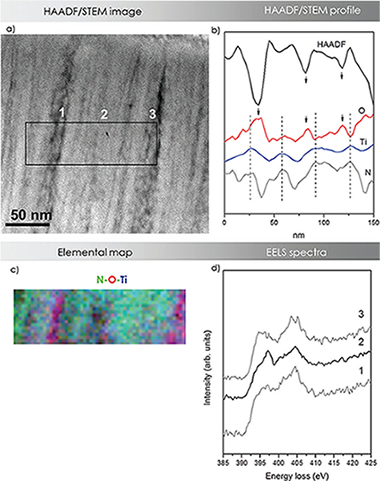
Nanoscale resolution electron microscopy analysis combined with ion beam assisted techniques are presented here, to give answers to full characterization of morphology, growth mode, phase formation, and compositional distribution in nanocomposite TiAlSiN coatings deposited under different energetic conditions. Samples were prepared by magnetron sputtering, and the effects of substrate temperature and bias were investigated. The nanocomposite microstructure was demonstrated by the formation of a face-centered cubic (Ti,Al)N phase, obtained by substitution of Al in the cubic titanium nitride (c-TiN) phase, and an amorphous matrix at the column boundary regions mainly composed of Si, N (and O for the samples with higher oxygen contents). Oxygen impurities, predicted as the principal responsible for the degradation of properties, were identified, particularly in nonbiased samples and confirmed to occupy preferentially nitrogen positions at the column boundaries, being mainly associated to silicon forming oxynitride phases. It has been found that the columnar growth mode is not the most adequate to improve mechanical properties. Only the combination of moderate bias and additional substrate heating was able to reduce the oxygen content and eliminate the columnar microstructure leading to the nanocomposite structure with higher hardness (>30 GPa).
icms
[+34] 954 48 95 27

 |
 |
 |
 |
 |